Introduction: When Expertise Meets Compassion Best Cardiologist Kolkata
Your heart works non-stop, and so should your heart care. In a bustling city like Kolkata, finding a specialist who combines top-tier medical expertise with genuine patient compassion can be a challenge. Enter Dr. Avishek Saha, widely recognized as one of the best cardiologists in Kolkata. Best Cardiologist Kolkata
With over 15 years of experience and a track record of over 1,500 happy patients, Dr. Saha is not just a doctor; he is a partner in your journey toward a healthier life. Whether you are looking for a routine heart check-up, need a complex coronary angiography, or require urgent emergency cardiac care, Dr. Saha is the trusted name thousands of families rely on.
Why Dr. Avishek Saha is the Top Choice for Heart Care Best Cardiologist Kolkata
Choosing a heart specialist is a life-changing decision. Here is why Dr. Avishek Saha stands out as the top heart doctor in Kolkata: Best Cardiologist Kolkata
Highly Qualified & Experienced: Holding a DM in Cardiology (2017) and an MD, Dr. Saha brings over two decades of medical knowledge to his practice.
Expert in Complex Interventions: He specializes in minimally invasive procedures that ensure faster recovery and better outcomes.
Patient-Centered Approach: Known for his “listening ear,” Dr. Saha takes the time to explain diagnoses clearly, ensuring you never feel rushed.
State-of-the-Art Technology: From the latest pacemaker implants to advanced imaging, his clinics are equipped with modern cardiac technology.
“Dr. Avishek Saha is a gem of a person. He listens patiently, no hurry at all… his diagnosis is very accurate.” — Vishal Gupta (Patient Review)
Comprehensive Services: World-Class Cardiac Care Under One Roof Best Cardiologist Kolkata
Dr. Saha offers a full spectrum of services, making his practice a one-stop destination for cardiac health in West Bengal.
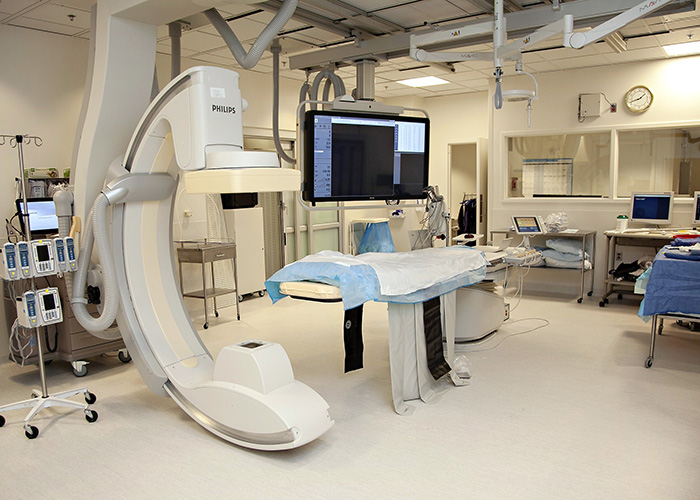
![Image Alt Text: Advanced Angioplasty and Angiography equipment in Kolkata hospital] (Insert Image of Medical Equipment or Procedure Illustration)
24/7 Emergency Heart Care: Because Every Second Counts
Heart attacks don’t wait for office hours. Recognizing the critical need for immediate care, Dr. Saha provides 24/7 Emergency Cardiac Services.
If you or a loved one experiences chest pain, sudden shortness of breath, or palpitations, immediate intervention is available. His affiliation with top hospitals like Woodlands and Manipal Hospitals ensures that critical care is always within reach.
Q: How do I book an appointment with Dr. Avishek Saha? A: You can easily book an appointment by calling +91 98743 81872 or visiting our Contact Page.
Q: Is Dr. Saha available for emergency angioplasty? A: Yes, Dr. Saha specializes in primary angioplasty for acute heart attacks and is available for emergencies 24/7.
Q: Does Dr. Saha treat children with heart defects? A: Yes, he performs device closures for congenital defects like ASD, VSD, and PDA.
Take the First Step Toward a Healthy Heart
Don’t ignore the warning signs. Whether it’s high blood pressure, cholesterol management, or a specific heart condition, Dr. Avishek Saha is here to guide you back to health.
Ready to prioritize your health? 👉 Book Your Consultation Now 📞 Call: +91 98743 81872 📧 Email: avisheksaha72@gmail.com
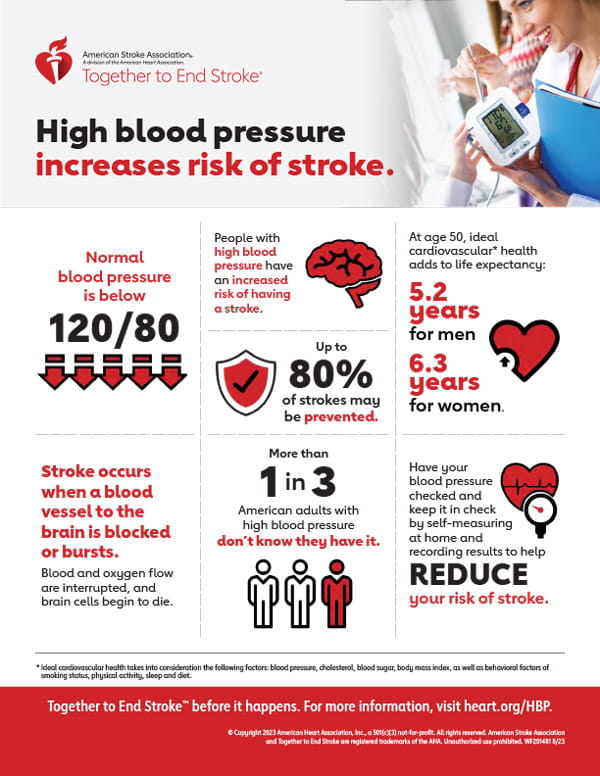
High Blood Pressure (Hypertension) is one of the biggest silent killers in India. What makes it dangerous is that most people do not feel any symptoms until BP becomes severely high — damaging the heart, kidneys, brain, and arteries.
In Kolkata, rising stress levels, poor sleep, and unhealthy diet have made BP a widespread issue even among young adults (25–40 years).
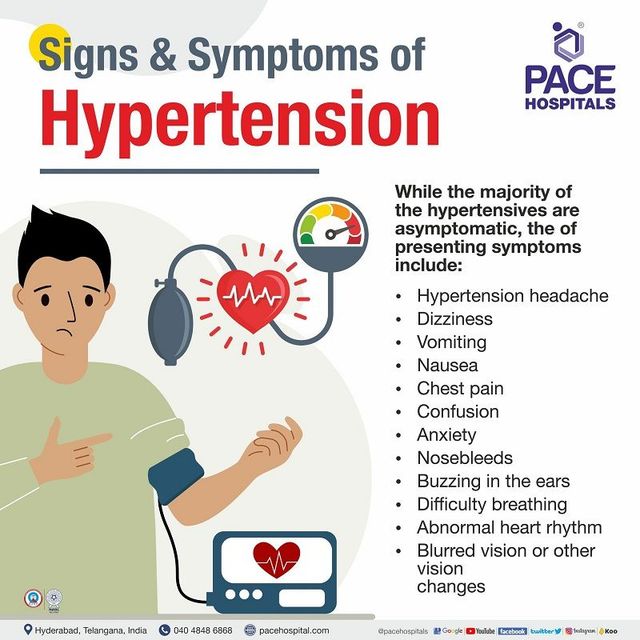
Here are 9 silent symptoms of high BP you should never ignore, explained in a simple and doctor-approved manner.
❤️ 1. Persistent Headaches or Mild Pressure in the Head high blood pressure symptoms
High BP causes pressure on blood vessels in the brain, leading to:
Early morning headaches
Heavy head
Head pressure
These are often mistaken for stress or dehydration.
❤️ 2. Dizziness or Sudden Lightheadedness high blood pressure symptoms
When BP spikes, the brain receives fluctuating blood flow, causing:
Giddiness
Imbalance
Feeling faint
This is a red flag for immediate evaluation.
❤️ 3. Blurred Vision or Seeing Spots high blood pressure symptoms
High BP can damage tiny blood vessels in the eyes.
Warning symptoms include:
Blurred vision
Flickering lights
Eye strain
Sudden vision fog
Ignored long enough, this may lead to retinal damage.
❤️ 4. Chest Pain or Heaviness high blood pressure symptoms
High BP forces the heart to pump harder, leading to:
Tightness
Pressure in chest
Burning sensation
This can be an early sign of:
Heart blockage
Heart failure
Hypertensive emergency
Never ignore chest discomfort with BP issues.
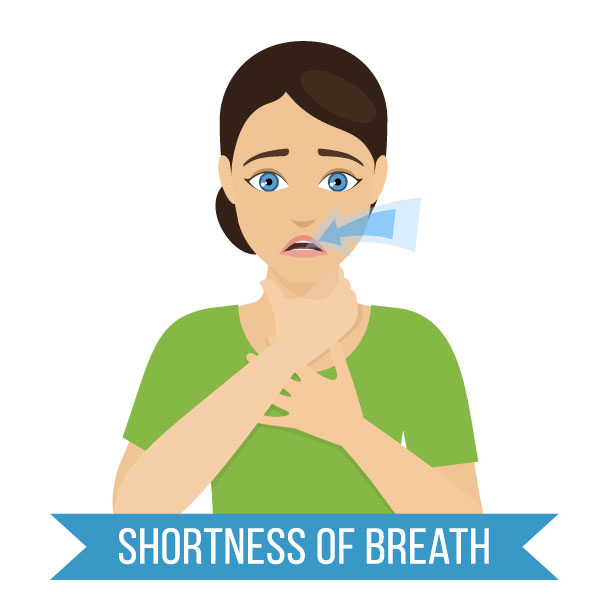
❤️ 5. Shortness of Breath Even Without Activity high blood pressure symptoms
High BP reduces the heart’s pumping efficiency. This causes breathlessness while:
Walking
Talking
Lying down
This needs immediate cardiology evaluation.
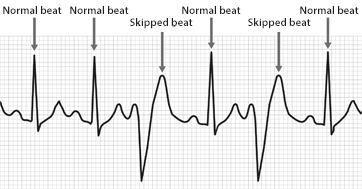
❤️ 6. Irregular Heartbeat or Fast Heart Rate high blood pressure symptoms
Hypertension can cause arrhythmias such as:
Fast heartbeats
Skipped beats
Fluttering sensations
These symptoms mean your heart is under stress.
❤️ 7. Nosebleeds (Especially Sudden Ones)
High blood pressure can weaken nasal blood vessels. Sudden nosebleeds without injury may indicate a BP spike.
❤️ 8. Fatigue and Lack of Energy
When BP is high, the heart must work harder → resulting in fatigue even after light work.
❤️ 9. Swelling in Feet or Face high blood pressure symptoms
Fluid retention due to BP-related kidney strain can cause:
Puffiness in face
Swollen feet
Swelling around eyes
This is often ignored but indicates early organ stress.
⭐ Why High BP Is Dangerous high blood pressure symptoms
If untreated, high blood pressure can cause:
Heart attack
Stroke
Heart failure
Kidney damage
Vision loss
Aneurysm
That’s why recognizing early signs is critical.
⭐ When to See a Cardiologist in Kolkata
You need urgent evaluation if you experience:
BP above 140/90 repeatedly
Chest pain with BP
Breathlessness with BP
Irregular heartbeat
Persistent headaches
Sudden vision issues
🌟 Why Patients Trust Dr. Avishek Saha for BP & Heart Problems
Dr. Avishek Saha is known for:
✔ Expertise in high BP–related heart issues ✔ Advanced evaluation of chest pain & palpitations ✔ Minimally invasive treatments (angioplasty, BMV) ✔ Accurate diagnosis without unnecessary tests ✔ Clear, friendly explanation of conditions ✔ Trusted care for young & older adults alike
Patients across Kolkata choose him for safe, expert, and compassionate heart care.
Heart disease is rising rapidly in India, and Kolkata has become a major hub for advanced cardiology treatments. Among the leading specialists, Dr. Avishek Saha has earned a strong reputation for providing cutting-edge heart care, minimally invasive treatments, and compassionate patient support.
In this blog, we explore why more families in Kolkata are choosing Dr. Saha for their cardiac care and how his expertise is helping patients avoid major surgeries, recover faster, and live healthier lives.
❤️ 1. Expertise in Minimally Invasive Heart Treatments
Unlike traditional open-heart surgery, minimally invasive cardiology offers:
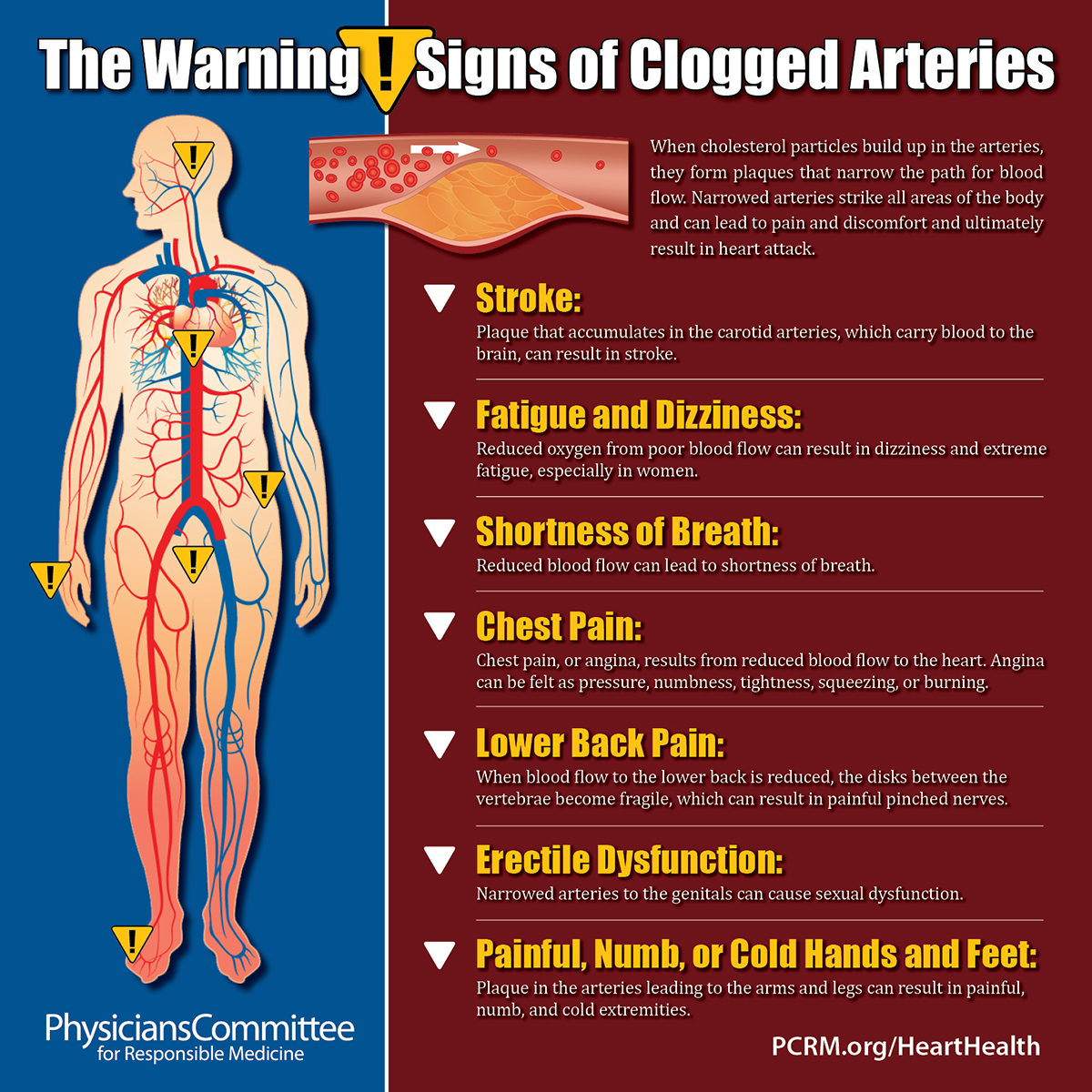
Heart blockage is one of the leading causes of heart attacks in India. heart blockage symptoms Most people do not realize they have a blockage until it becomes dangerous — sometimes 70%, 90%, or even fully blocked.
The good news? Your body gives early warning signs, but many people ignore them, assuming it’s acidity, stress, or tiredness.
This blog explains the 8 early symptoms of heart blockage, the causes, and when to see a cardiologist in Kolkata for immediate testing. heart blockage symptoms
❤️ 1. Chest Pain or Pressure That Feels Like “Weight” heart blockage symptoms
Chest pain due to blockage is NOT always sharp. Often, it feels like:
Tightness
Pressure
Burning
Heaviness
Pain may spread to the:
Left shoulder
Arm
Neck
Jaw
If this happens often, especially during walking, climbing stairs, or stress — it is a red flag.
❤️ 2. Shortness of Breath Even With Mild Activity heart blockage symptoms
If simple activities suddenly become hard, such as:
Walking
Taking stairs
Carrying bags
…it may indicate reduced blood flow due to blocked arteries.
❤️ 3. Fatigue or Unexplained Tiredness
A weak blood supply forces your heart to work harder, making you feel tired even after light activities. If fatigue becomes a daily companion, get your heart checked.
❤️ 4. Chest Burning Misunderstood as Acidity heart blockage symptoms
Many Indians confuse heart blockage pain with acidity. If your “gastric pain” occurs:
After walking
After stress
At night
With sweating
…it may not be acidity — it may be early heart blockage.
❤️ 5. Left Arm, Shoulder, or Jaw Pain heart blockage symptoms
Repeated pain or discomfort radiating to the left side of the body is a classic blockage symptom.
❤️ 6. Irregular Heartbeat or Palpitations
Blockage reduces oxygen supply to the heart muscles, causing:
Fast heartbeat
Skipped beats
Fluttering sensations
If you feel these frequently, consult a cardiologist immediately.
❤️ 7. Dizziness, Fainting, or Feeling Lightheaded
This happens when the heart can’t pump enough blood to the brain — another warning sign that arteries may be narrowing.
❤️ 8. Excessive Sweating Without Physical Activity
Sweating suddenly while resting or during chest discomfort is a common sign of unstable heart blood flow.
I. The Crisis in Your Calves: Chronic Leg Pain as a Ticking Cardiovascular Bomb atypical heart attack symptoms kolkata
A. The Deceptive Silence of Peripheral Artery Disease (PAD)
Chronic leg pain—often characterized by aching, fatigue, or cramping known medically as claudication—is an alarm bell that is frequently silenced by patient inertia and, critically, by general medical practitioners. It is common for individuals, particularly those in older age groups, to dismiss these symptoms as merely a routine component of the aging process or minor orthopedic issues. This persistent dismissal, however, allows a silent and deadly cardiovascular condition to advance undetected: Peripheral Artery Disease (PAD). atypical heart attack symptoms kolkata
PAD is far more than just discomfort in the legs; it is a profound failure of the body’s circulation system, specifically the narrowing or blockage of arteries supplying blood to the lower extremities, usually caused by atherosclerosis—the buildup of fatty plaque inside vessel walls. The failure to recognize these early warning signs has contributed to an escalating global health crisis. Data from the Global Burden of Disease study reveals that global cases of PAD surged dramatically, climbing from approximately 66 million in 1990 to more than 113 million in 2019. This massive and growing prevalence underscores the urgency required in diagnosis and intervention.
The most critical factor overlooked when chronic leg pain is generalized is that PAD is universally classified by medical guidelines as a major cardiovascular disease, not merely a localized limb problem. The pathological process of atherosclerosis that restricts blood flow in the legs often affects the coronary and carotid arteries simultaneously. Large-scale studies conclusively demonstrate that individuals diagnosed with PAD have a significantly higher concomitant risk of experiencing a heart attack or stroke. This understanding reveals a vital clinical principle: chronic leg pain is the visible sign of a hidden, deadly, systemic disease. A patient who perceives only localized discomfort is failing to address a systemic cardiovascular time bomb. Therefore, the failure to screen aggressively for PAD in high-risk patients equates to a failure to screen for imminent cardiac disaster, dramatically escalating the threat level and mandating urgent consultation with a specialist. atypical heart attack symptoms kolkata
B. Understanding the Spectrum of PAD Progression atypical heart attack symptoms kolkata
The disease pathway of PAD is characterized by distinct stages, ranging from mild states, which may be asymptomatic or only cause claudication, to the most severe and limb-threatening forms. The most critical manifestation is Critical Limb Ischemia (CLI). CLI represents the terminal stage of PAD where blood flow is so severely restricted that the tissues cannot receive adequate oxygen and nutrients. In this state, devastating complications such as non-healing ulcers, severe infections, or gangrene can develop, placing the limb in immediate and high peril of amputation.
The progression from mild claudication to severe CLI highlights why early, specialist intervention is paramount. Timely diagnosis and the initiation of targeted treatment are absolutely crucial for halting the progression of the disease and preventing these long-term, irreversible complications. The goal of specialist care is to restore robust circulation well before the patient reaches the point of ischemic crisis, securing both limb health and overall cardiovascular prognosis.
II. The Misdiagnosis Trap: The Failure of General Care and the Amputation Catastrophe atypical heart attack symptoms kolkata
A. The Cost of Missed or Delayed Diagnosis
One of the most insidious dangers of PAD lies in its high rate of misdiagnosis or delayed recognition. Because the symptoms overlap with more common, less threatening conditions, many patients are often only correctly diagnosed after the disease has already progressed significantly. General practitioners frequently miss the connection between established underlying conditions—such as existing heart disease or chronic high blood pressure—and the subsequent development of PAD. This failure in detection places the patient on a path toward devastating outcomes.
The quantitative consequence of delayed or inconsistent care is staggering. Research tracking PAD patients highlights a critical link between the continuity of care and the risk of limb loss. Patients who experienced inconsistent access to necessary, high-quality vascular care, or who suffered delays in follow-up and intervention, were found to be significantly more likely to undergo catastrophic procedures. Specifically, these patients were nearly three times more likely to require a major amputation (Odds Ratio 2.96, 95% CI 2.51–3.50) and substantially more likely to require a minor amputation (Odds Ratio 2.48, 95% CI 2.29–2.65) compared to those receiving continuous care. This stark numerical increase in risk underscores the critical reality: the longer optimal, specialized intervention is delayed, the higher the mathematical certainty of limb loss becomes.
B. The Scale of the Amputation Epidemic atypical heart attack symptoms kolkata atypical heart attack symptoms kolkata
The clinical reality surrounding PAD is that amputation is not an unavoidable fate of the disease but, in many cases, a direct consequence of suboptimal care and systemic failure to implement evidence-based diagnostics and treatment protocols. PAD has earned the grim title of the “silent amputator” because it is the single largest cause of non-traumatic amputations. In the United States alone, PAD affects over 10 million individuals and contributes to approximately 400 amputations every single day. This translates to an alarming total of around 150,000 non-traumatic leg amputations annually.
What makes this epidemic particularly unacceptable is that a substantial proportion of these amputations are potentially preventable. Despite the existence of clear, evidence-based diagnostic and therapeutic approaches that can significantly reduce amputation risk, the implementation and patient adherence to these strategies remain suboptimal. This failure is most acutely observed in the highest-risk group: patients with diabetes, who account for the majority of non-traumatic amputations. Following a period of decline, amputation rates among diabetic patients shockingly increased by 50% between 2009 and 2015. This resurgence proves that general practice is often failing to deliver the optimal, life- and limb-saving management that is required. Therefore, the excessively high rate of amputation reflects a failure of implementation and care continuity, establishing that specialized, proactive intervention is urgently needed to interrupt this dangerous trend.
III. Your Personalized Warning: Mapping the High-Risk Profile atypical heart attack symptoms kolkata
Identifying and acting on high-risk factors is the essential first step in limb preservation. For individuals with chronic leg pain, recognizing specific co-morbidities transforms the general health warning into a highly relevant, urgent personal appeal.
A. The Acute Risk for the Diabetic Population
The link between Type 2 Diabetes Mellitus (T2DM) and PAD is profound, particularly within the target demographic. A recent systematic review and meta-analysis focusing on the Indian population confirmed that the combined prevalence of PAD among individuals with T2DM is a significant 18%. This means that nearly one in five diabetic patients in the region is affected by this circulatory crisis, justifying the immediate need for specialist consultation and diagnostic testing.
When assessed across various high-risk patient cohorts—including those with Ischemic Stroke (IS), Cardiovascular Disease (CVD), or Diabetes Mellitus (DM)—the overall prevalence of PAD detected by the Ankle-Brachial Index (ABI) was found to be 27.1%, with the prevalence being highest specifically among those with DM. Age and the duration of DM were consistent risk factors across all cohorts. Furthermore, demographic analysis indicates that the risk profile for this patient population is highly specific: for South Asians, diabetes, smoking, male sex, and mean systolic blood pressure were all independently associated with PAD. By understanding the elevated 18% prevalence among T2DM patients in the region , the post moves beyond being a general advisory and becomes a direct, hyper-relevant call to action, establishing the high likelihood of disease and justifying immediate specialized assessment.
B. The Pervasive Threat of Hypertension
Beyond diabetes, high blood pressure (hypertension) is recognized as a major independent force driving the arterial damage that precedes and exacerbates PAD. The causal mechanism is clear: high BP damages the delicate lining of the artery walls, accelerates the atherosclerotic process, and increases arterial stiffness. A landmark study in the Atherosclerosis Risk in Communities (ARIC) cohort found that people with hypertension had a 1.5 to 2 times higher risk of developing PAD compared to those with normal blood pressure levels. This data confirms that for patients managing hypertension, leg pain should never be dismissed; it is a signal that the ongoing arterial damage has reached the periphery.
C. The Imperative of Specialized Screening
Given the high prevalence and severe consequences, current medical consensus globally mandates specialized screening for PAD in high-risk groups. Specifically, screening using the Ankle-Brachial Index (ABI)—a non-invasive assessment comparing blood pressure in the ankle to the arm—should be routinely performed among patients with ischaemic stroke, cardiovascular disease, or diabetes mellitus.
For a patient reading this and recognizing their own risk factors (T2DM, hypertension, smoking history, or chronic leg pain), the critical question becomes: has my general practitioner performed this essential, life-saving screening? If the answer is no, the patient is almost certainly receiving suboptimal care. The specialist’s role begins precisely here—by moving beyond generalized assumptions of “old age” and providing the targeted, evidence-based vascular screening required to catch the disease before it leads to critical limb ischemia or amputation.
IV. The Pivot to Limb Preservation: Why Endovascular Treatment is Statistically Superior atypical heart attack symptoms kolkata
For patients facing chronic PAD, the choice of intervention is crucial, often representing the decisive factor between limb preservation and amputation. Advanced peripheral intervention specialists focus on techniques that are not merely minimally invasive, but maximally successful for long-term survival and limb salvage.
A. The Endovascular Advantage: Risk Reduction and Recovery
Dr. Avishek Saha specializes in advanced endovascular procedures—techniques performed through small vessel punctures to restore arterial blood flow (revascularization) with minimal patient trauma. This approach is scientifically substantiated to provide superior outcomes compared to traditional, highly invasive open surgical bypass.
Clinical studies demonstrate that an endovascular procedure is associated with a risk-adjusted 16% decreased risk of amputation or death when compared to open revascularization over the study period. This single data point—a 16% improvement in the combined metric of life and limb preservation—is the ultimate validation of the specialized approach. It confirms that endovascular care is not just about avoiding large incisions; it directly translates to improved life and limb survival rates. Beyond the mortality benefit, endovascular surgery provides significant advantages in terms of complication profile and recovery dynamics. It results in fewer complications, shorter hospital stays, and a lower overall mortality rate when compared with traditional open surgery, even while achieving similar rates of technical success and limb salvage.
B. Amplified Benefit for Complex Cases
The benefits of the endovascular approach are particularly pronounced where the patient risk is highest. The amputation-free survival benefit associated with endovascular revascularization was found to be significantly more pronounced in patients with complex co-morbidities, such as congestive heart failure (CHF) or ischemic heart disease (IHD), than in those without these conditions. This suggests that the specialized, less traumatic nature of endovascular techniques provides essential protection for patients whose systemic health status might make them poor candidates for major open surgery.
Furthermore, for the most severely affected patients—those who have already progressed to Critical Limb Ischemia (CLI)—the amputation-free survival benefit associated with an endovascular approach persisted, proving its efficacy precisely at the point of greatest danger. While endovascular procedures may sometimes require more vigilant, ongoing maintenance (with a slightly higher rate of subsequent intervention compared to open surgery—7.4% greater at 30 days) , this reflects a paradigm of proactive, sustained disease management rather than relying on a single, high-risk, potentially devastating surgical intervention.
C. Comparative Treatment Outcomes
The clinical evidence overwhelmingly favors the specialized endovascular approach for limb preservation and improved short-term safety profiles. The following comparative data synthesized from major clinical studies underscores the difference between traditional and modern intervention strategies.
Superior Outcomes: Endovascular Intervention vs. Open Surgery
Metric
Specialized Endovascular Intervention
Traditional Open Surgery (Bypass)
Impact on Patient Outcome
Risk of Amputation or Death
16% Decreased Risk (Risk-Adjusted)
Higher Baseline Risk
Maximally successful for life and limb preservation.
Complication Rate
Lower
Higher
Reduces post-operative morbidity and risk.
Hospital Stay
Shorter Duration
Longer, More Invasive Stay
Faster recovery and reduced risk exposure.
Early Mortality Rate (30-day)
Diminished Mortality (5.3% rate)
Higher Mortality (6.7% rate)
Demonstrates a superior safety profile in the immediate post-procedure critical window.
V. Meet the Specialist: Dr. Avishek Saha’s Comprehensive Toolkit for Advanced PAD
A patient seeking limb preservation requires assurance that their chosen physician is equipped not just for standard procedures, but for the complex, calcified, and potentially failed previous interventions that define advanced PAD. Dr. Avishek Saha’s practice focuses on utilizing the full arsenal of contemporary endovascular technology, ensuring preparedness for the most challenging arterial blockages.
A. Expertise in Complex Revascularization Techniques
Specialized peripheral intervention moves beyond conventional ballooning to address complex lesions, particularly Chronic Total Occlusions (CTO)—arteries that have been 100% blocked for an extended duration. Treating CTOs requires immense skill and specialized strategies, such as subintimal dissection and true lumen re-entry, which are frequently employed in complex revascularization scenarios. The presence of these highly technical skills signals an ability to manage cases often deemed “untreatable” by non-specialists.
The advanced services provided encompass a comprehensive range of state-of-the-art tools necessary for high technical and procedural success rates, even in the most difficult clinical scenarios. These advanced devices and treatments include:
Atherectomy: Mechanical removal of hard plaque buildup to prepare the vessel for ballooning and stenting. Although often used, registry data suggests careful selection for this approach.
Specialized Balloons: This includes conventional angioplasty (PTA), as well as Drug-Coated Balloons (DCB), which deliver medication directly to the vessel wall to prevent re-narrowing, and scoring or cutting balloons to facilitate opening rigid lesions.
Stenting Options: Both Drug-Eluting Stents (DES), which offer medication release to reduce recurrence, and standard Bare-Metal Stents (BMS) are utilized strategically, based on lesion morphology.
High technical and procedural success rates are achievable through the frequent and strategic use of these combination treatments. The ability to deploy atherectomy, specialized balloons, and navigate CTOs confirms the practice’s focus on limb salvage, reassuring patients—especially those with severe blockages—that they are consulting an expert prepared for the most intricate cases.
B. The Difference Between a Generalist and a Peripheral Intervention Expert
The difference between a generalist (like a primary care physician or sometimes a general cardiologist) and a specialized peripheral intervention expert is one of strategic focus. While a generalist focuses on risk factor management (medication, lifestyle changes), a peripheral intervention specialist, such as Dr. Saha, focuses acutely on restoring flow, preserving tissue, and achieving limb salvage.
The utilization of a vast and complex toolkit—including atherectomy, DCB, and techniques to manage severe CTOs—is the definitive evidence of specialized capability. It shows that the expert is capable of achieving revascularization in cases where generalized treatment may have plateaued or where a patient has received a poor prognosis elsewhere. Given that suboptimal implementation of existing evidence-based approaches contributes directly to the rising trend of non-traumatic amputations , seeking out a practitioner who consistently employs these advanced, successful strategies is the critical step toward avoiding irreversible damage. atypical heart attack symptoms kolkata
VI. Urgent Call to Action: Take Control Before the Damage is Done atypical heart attack symptoms kolkata
A. The Deadline: Why You Cannot Afford to Wait
The data presented here is not an academic discussion; it is a clinical warning. The stark fact that delayed intervention can increase the risk of a major amputation by nearly three times (Odds Ratio 2.96) should be treated as a definitive clinical deadline. Every day chronic leg pain is dismissed as “routine aging” is a day the underlying atherosclerotic plaque continues to build, pushing the patient closer to irreversible Critical Limb Ischemia (CLI). atypical heart attack symptoms kolkata
This immediate urgency aligns with broader public health objectives. Leading medical organizations, including the American Heart Association (AHA), have issued urgent calls for actionable policies to enhance the delivery of optimal PAD care with the goal of reducing non-traumatic lower-extremity amputations by 20% by 2030. A patient’s decision to immediately seek specialized assessment and intervention is a direct participation in this vital, limb-saving movement.
B. Secure Your Limb, Secure Your Future: Next Steps for Specialized Assessment atypical heart attack symptoms kolkata
If an individual experiences persistent chronic leg pain, cramping, non-healing sores, or if they possess known high-risk factors such as a history of diabetes (where PAD prevalence approaches 18% in the regional demographic ), high blood pressure, or established cardiovascular disease, an immediate specialized vascular assessment is mandatory. atypical heart attack symptoms kolkata
The most critical initial step is a comprehensive Peripheral Vascular Assessment, which must include routine Ankle-Brachial Index (ABI) screening, conducted and expertly interpreted by a peripheral intervention specialist. It is imperative that patients do not rely solely on a general diagnosis that fails to recognize the severity of systemic cardiovascular disease manifesting in the legs. Only specialized expertise designed explicitly for limb preservation and advanced revascularization can interrupt the dangerous pathway leading to amputation. atypical heart attack symptoms kolkata
C. Contact Dr. Avishek Saha Today
The path to proactive limb preservation and cardiovascular safety starts with one urgent, decisive action. Do not wait for symptoms to progress to the point of irreversible tissue damage or the threat of amputation.
Dr. Avishek Saha HealthcareContact Number: +91 9874381872 Website:www.dravisheksaha.com
Conclusion and Recommendations atypical heart attack symptoms kolkata
The evidence overwhelmingly establishes Peripheral Artery Disease as a widespread, escalating cardiovascular threat whose most devastating consequence, non-traumatic amputation, is often a direct result of delayed diagnosis and suboptimal care implementation. The high prevalence among regional high-risk groups, particularly diabetic patients, necessitates immediate and targeted screening.
The specialized approach of endovascular intervention, as practiced by experts like Dr. Saha, offers a statistically superior pathway for limb and life preservation, providing a risk-adjusted 16% reduction in amputation or death compared to traditional methods. The demonstrated capability to manage complex lesions, including CTOs and heavy use of advanced devices like atherectomy, confirms the practice’s focus on maximizing flow restoration where general treatment has failed. For any individual experiencing chronic leg pain or possessing known PAD risk factors, the recommended action is immediate consultation to leverage specialized diagnostics (ABI) and access advanced endovascular therapies before the disease progresses to critical, irreversible stages where the risk of major amputation increases nearly threefold.
Heart Health Reboot: Your 5-Step Guide to a Healthier Future Patient Guide to Heart
Whether you’ve just come home after an angioplasty, are recovering from a heart attack, or have been newly diagnosed with a heart condition, it’s normal to feel uncertain. The most common question I hear as an interventional cardiologist in Kolkata is, “What happens now?” Patient Guide to Heart
Many people see a heart procedure as an end point. I see it as a new beginning—a “healthier future”. You have a powerful opportunity to reboot your health. This patient guide to heart health is your simple, 5-step plan to get started.
Step 1: Embrace Cardiac Rehabilitation
This is the single most important step you can take. Cardiac rehabilitation isn’t just “exercise.” It’s a medically supervised program that includes:
Safe, Monitored Exercise: To strengthen your heart and improve fitness.
Education: Learning about heart-healthy eating, quitting smoking, and managing stress.
Support: Connecting with experts and other patients who understand your journey.
Think of it as personal training for your heart.
Step 2: Master Your Medications
After a procedure like a stent or bypass, your medications are your lifeline. They are not optional.
Blood Thinners (like Aspirin & Clopidogrel): These are critical to prevent blood clots from forming on your new stent.
Statins: These lower your “bad” cholesterol and stabilize the plaque in your arteries.
Blood Pressure Pills: These reduce the strain on your heart.
Never stop or change these medications without speaking to your cardiologist. This is a core part of this patient guide to heart health.
Step 3: Adopt a Heart-Healthy Plate
You don’t need an extreme diet. You need a sustainable plan. Start with these simple swaps:
Add: More vegetables, fruits, whole grains, and healthy fats (like fish, olive oil, and nuts).
Reduce: Processed foods, sugary drinks, and excess salt.
Watch: Portion sizes.
This isn’t just about weight; it’s about giving your body the fuel to heal and thrive.
Step 4: Know Your “Big 3” Numbers
Your “healthier future” is all about managing your key risk factors. You must know your numbers for:
Blood Pressure: The “silent killer.” Keep it under control.
Cholesterol (Lipids): Specifically your “bad” (LDL) cholesterol.
Blood Sugar (Diabetes): High blood sugar is a major risk factor for heart disease.
Managing these three is non-negotiable for long-term health.
Step 5: Prioritize Your Mental Health
A heart event isn’t just a physical challenge; it’s an emotional one. Feeling anxious or depressed is incredibly common.
Your mental health is your heart health.
Find ways to manage stress: talk to your family, practice mindfulness, get light exercise, or simply make time for a hobby you love. This compassionate support is a key part of our patient-first philosophy.
For more in-depth information, the American Heart Association is an excellent resource. You can also read our guideon angioplasty and stenting if you have more questions about that specific procedure.
Your Partner for a Healthier Future in Kolkata
A heart event is a warning, but it’s also a powerful second chance. You don’t have to do this alone.
As an interventional cardiologist with a DM in Cardiology , my job isn’t just to perform a procedure. My job is to be your partner for the long haul—to provide the expert guidance and compassionate support you need to build that healthier future.
This patient guide to heart health is your first step. Let’s take the next one together.
If you are in the Kolkata area and are ready to take control of your heart health, please contact our clinic today.
A Non-Surgical Fix for Mitral Stenosis: Your Guide to BMV Patient Guide to BMV
If you have been diagnosed with mitral stenosis (a narrowed mitral valve) and your doctor has mentioned a BMV, or Balloon Mitral Valvuloplasty, you likely have many questions. It sounds complex, and any heart procedure can be a source of anxiety.
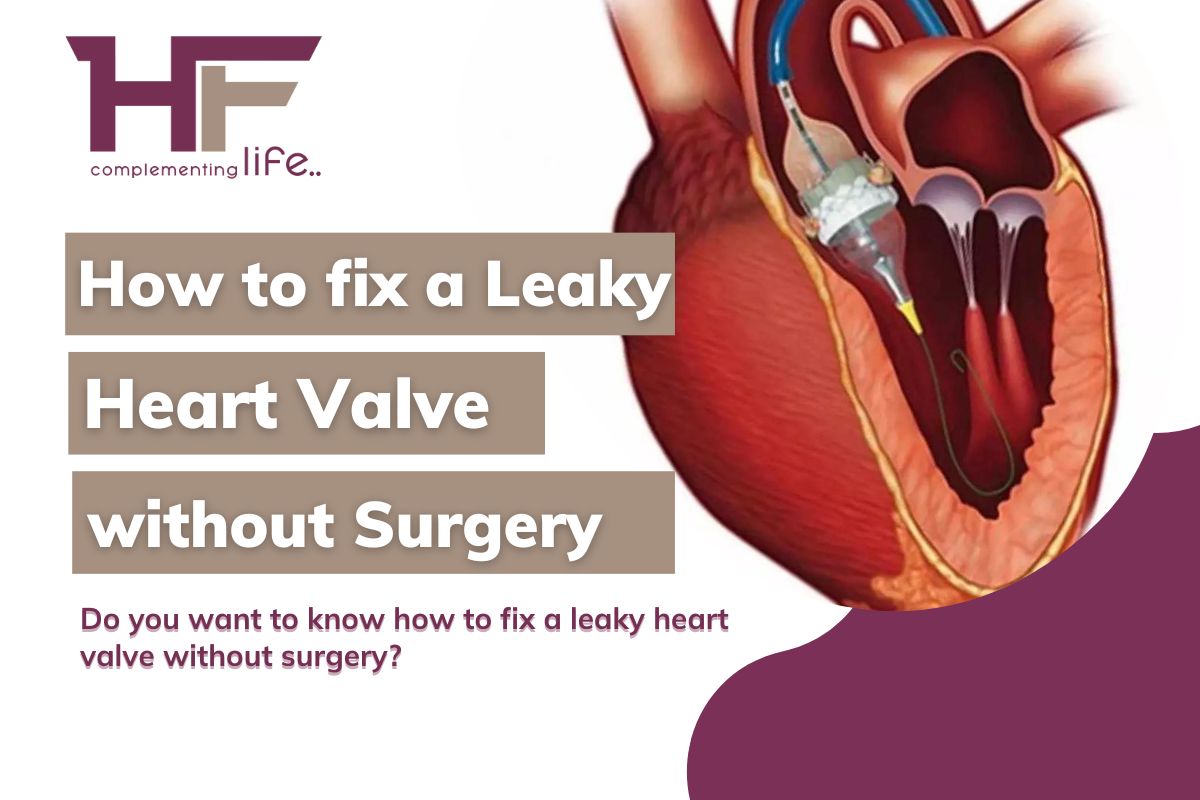
As an interventional cardiologist in Kolkata, my goal is to provide you with a clear, simple, and reassuring patient guide to BMV. The most important thing to know is that this is a remarkable, minimally invasive procedure designed to fix your valve without open-heart surgery.
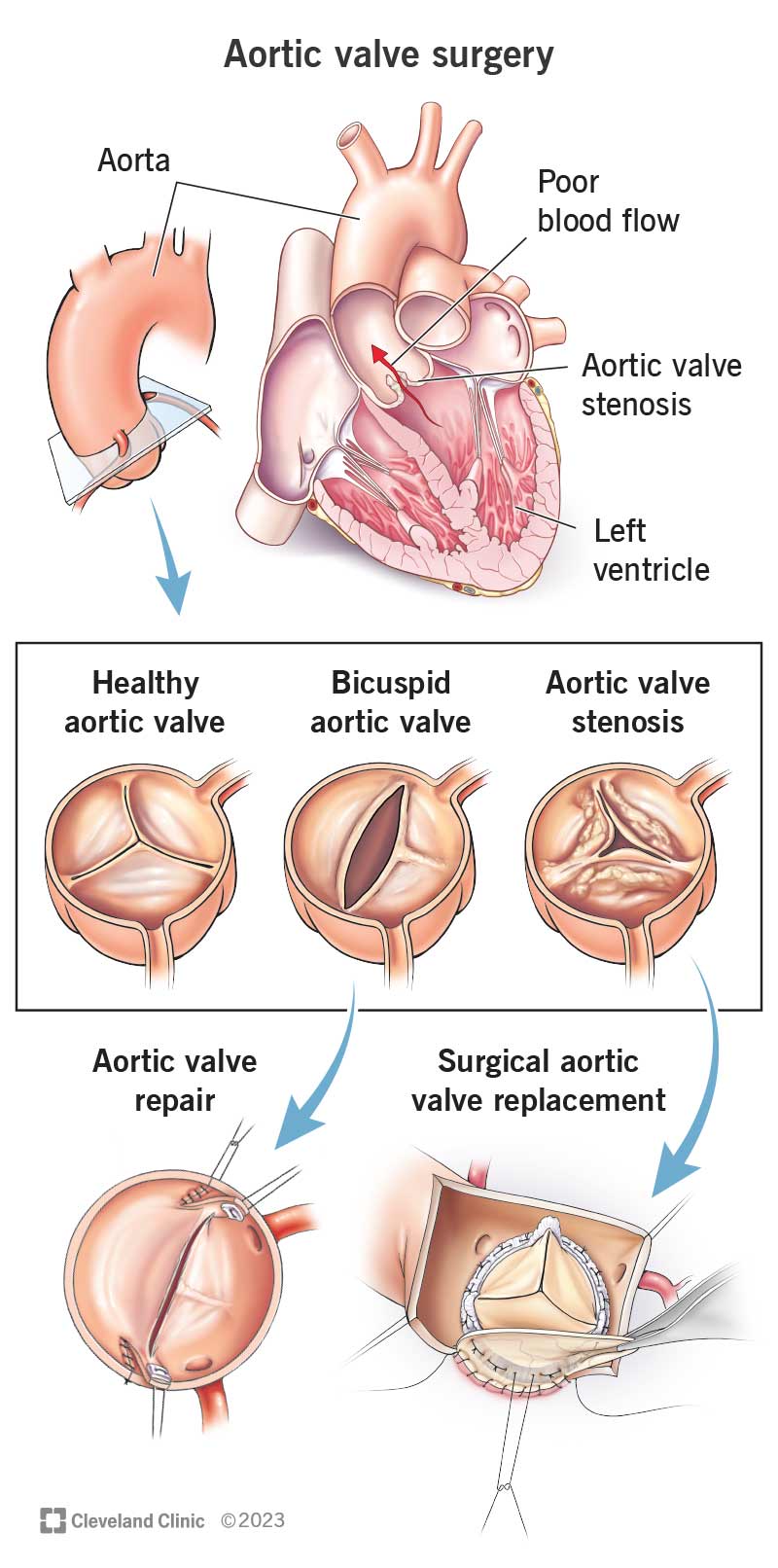
What is Mitral Stenosis?
First, let’s understand the problem. The mitral valve is a “door” between two of your heart’s chambers. Mitral stenosis means this door has become stiff, narrowed, and doesn’t open fully. This forces your heart to work much harder to pump blood, which can lead to symptoms like:
Fatigue and weakness
Shortness of breath
Palpitations (a racing or fluttering heart)
Dizziness or fainting
What is a BMV (Balloon Mitral Valvuloplasty)?
A BMV is a highly specialized, non-surgical treatment to open that stiff, narrowed valve.
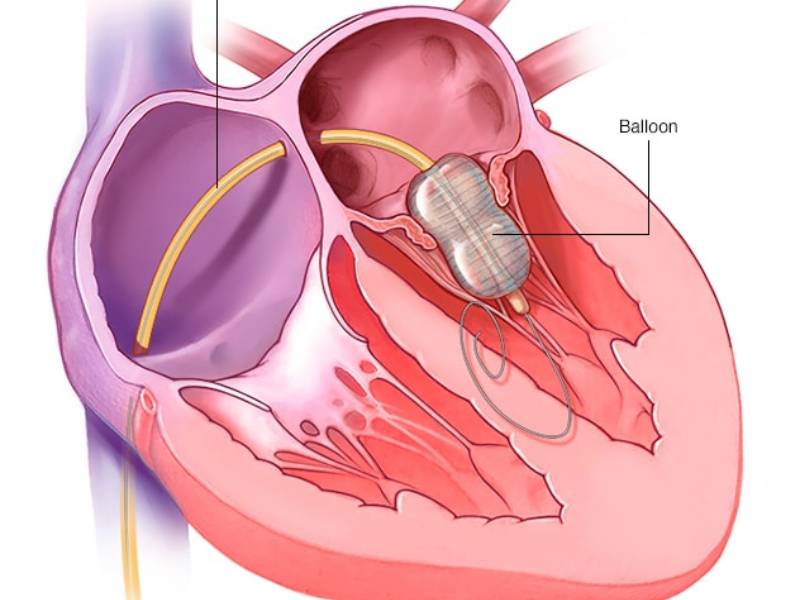
Instead of opening the chest, the entire procedure is done through a tiny puncture in a blood vessel, usually in the leg. Here is a simple, step-by-step guide to what happens:
Access: You are given medication to relax, and a local anesthetic is used to numb a small area in your groin.
The Catheter: A long, thin, flexible tube called a catheter is gently inserted into the vein and guided up to your heart.
The Balloon: A special catheter with a strong balloon on its tip is carefully passed through the narrowed mitral valve.
Inflation: The balloon is inflated for a few seconds. This inflation precisely splits the stiff valve leaflets open, immediately widening the valve opening.
Completion: The balloon is deflated and removed. The procedure is over.
This procedure immediately improves blood flow, and most patients feel a significant reduction in their symptoms very quickly.
Why Choose BMV Over Surgery?
This is a key part of our patient guide to BMV. While not everyone is a candidate, the benefits of BMV are enormous for the right patient:
No Open-Heart Surgery: This is the biggest benefit.
No Large Scars: The procedure is done through a tiny puncture.
Faster Recovery: Most patients are in the hospital for only one or two nights, not the week or more required for surgery.
Quicker Return to Life: You can be back to light activities within a week.
For more information on heart health, you can read our guide on angioplasty and stenting. (Internal link) The American Heart Association also provides excellent resources on valvular heart disease.
Your BMV Specialist in Kolkata
A BMV is a complex procedure that should only be performed by an interventional cardiologist with specialized training in structural heart disease.
As an interventional cardiologist with a DM in Cardiology , my expertise includes the full range of minimally invasive procedures, including complex interventions like BMV. My team and I are dedicated to offering the most advanced, least invasive solutions for our patients.
This patient guide to BMV is a starting point. The most important step is a personal consultation to see if this procedure is right for you.
If you are in the Kolkata area and have been diagnosed with mitral stenosis, please contact our clinic today. We are here to answer all your questions and give you confidence in your heart health.
When we picture a heart attack, we imagine crushing, central chest pain. However, for the South Asian community in particular—especially women and individuals with diabetes—this classic cinematic symptom is often absent. Instead, the life-saving signal is a deceptive whisper, easily mistaken for stress, acidity, or persistent exhaustion. heart attack symptoms kolkata
Crucially, ignoring these subtle warning signs, known as atypical heart attack symptoms, is costing lives. In fact, a woman’s lifetime risk of dying from heart disease is a staggering eight times greater than her risk of dying from breast cancer. For men, heart disease often strikes prematurely (before age 55).
This confusion leads to a catastrophic delay in diagnosis. This guide, based on expert insights from Kolkata, will help you intercept the true silent killer by recognizing the deceptive symptoms and taking immediate, specialized action.
1. The Deceptive Mask: 8 Atypical Heart Attack Symptoms Kolkata Specialists Warn Of heart attack symptoms kolkata
The medical community recognizes that traditional chest pain warnings are insufficient for high-risk demographics. Therefore, you must learn to identify the subtle signals that your body is sending. These symptoms often mimic common, benign issues:
8 Warning Signs Not to Dismiss:
Debilitating Fatigue: Unexplained, persistent tiredness that feels fundamentally different from normal exhaustion.
Upper Abdominal Pain: Severe “acidity,” indigestion, or nausea that does not respond to antacids.
Jaw, Neck, or Back Discomfort: Pain that radiates to the neck, jaw, or upper back, commonly misinterpreted as muscle strain or cervical issues.
Unexplained Dizziness: Sudden lightheadedness or feeling dizzy, often coupled with shortness of breath.
Shortness of Breath (Dyspnea): Difficulty breathing without exertion or feeling winded after light activity. Breathlessness is reported in 53% of patients with cardiac issues.
Cold Sweats: Breaking into a cold sweat without a clear environmental cause.
Generalized Weakness: A sudden, pervasive lack of strength, often persisting for hours or days.
Prodromal Symptoms: Vague, intermittent complaints like recurrent dizziness or generalized weakness that precede a major event.
2. The Compounding Risk: Why Atypical Symptoms Are a South Asian Imperative heart attack symptoms kolkata
The atypical heart attack symptoms Kolkata experts see are often amplified by specific demographic factors endemic to the South Asian community:
Diabetic Neuropathy Blunts Pain
Diabetes mellitus is one of the most prevalent risk factors in this community, affecting roughly one quarter of South Asians.Crucially, diabetes fundamentally alters heart attack perception due to nerve damage (neuropathy). Diabetics report significantly less aching pain and less squeezing pain compared to non-diabetics. This anatomical blunting of pain signals transforms what would be a symptomatic event into a silent one.
The Fatal Gender Disparity
Cardiovascular disease causes nearly one in every three deaths among women in India.Furthermore, women are far more likely to experience atypical symptoms like fatigue, indigestion, or back pain, leading to systemic delays in care. Women are also less likely to receive timely intervention during an acute event, contributing directly to higher mortality and morbidity rates.
3. The Irreversible Cost of Delay: The 45-Hour Damage Window heart attack symptoms kolkata
When vague symptoms are dismissed as “acidity” or “stress,” a dangerous countdown begins. Data shows that the mean duration from symptom onset to specialized hospital admission is approximately 1.87 days (around 45 hours).
During this delay, heart muscle tissue is damaged or destroyed irreversibly.Consequently, the most devastating long-term outcome of an unrecognized silent heart attack is the development of chronic heart failure (HF) years later. If the damage is extensive, the remaining heart muscle struggles to pump efficiently, leading to permanent disability.
4. The Non-Negotiable Solution: Specialized Diagnostic Interception
Reliance on self-diagnosis or basic ER testing is insufficient when facing silent ischemia. A general practitioner may misattribute discomfort to anxiety or acid reflux.Therefore, only a cardiologist specializing in recognizing these deceptive patterns can accurately differentiate between benign discomfort and a life-threatening silent event.
Dr. Saha’s Advanced Diagnostic Arsenal
To properly diagnose transient, intermittent, or stress-induced symptoms, Dr. Avishek Saha’s practice offers a comprehensive suite of advanced diagnostic tools :
Echocardiography (Echo): Uses sound waves to detect existing myocardial damage, strain, or issues with blood movement—key evidence of a past, unrecognized silent heart attack.
TMT (Treadmill Test): This is the definitive non-invasive exercise stress test used to provoke and detect silent ischemia (restricted blood flow that occurs only under physical stress). This is critical for assessing vague fatigue upon exertion.
Holter Monitoring: Given the intermittent nature of symptoms like dizziness or weakness , the Holter monitor provides continuous (24-hour) electrical recording, capturing critical rhythm abnormalities missed by a single ECG.
The Advantage of Full-Spectrum Care in Kolkata
Beyond accurate diagnosis, the timeline for intervention is measured in minutes. Seeking care from a specialist who offers a full spectrum of services eliminates the dangerous time lost during referrals. Dr. Saha offers advanced diagnostic tests alongside modern cath lab facilities for immediate coronary angiography and angioplasty. This “one-stop shop” capability ensures that if silent ischemia is detected, fast, life-saving treatment is minutes away.
The risk of silent heart disease is too high for the South Asian community to continue relying on textbook symptoms. If you or a loved one are experiencing persistent, vague, or intermittent complaints—especially unexplained fatigue or upper abdominal distress—guessing is not an option.
Take the data-driven choice: secure an immediate, specialized assessment that can detect the silent damage missed by standard examinations.
ACT NOW: Secure Your Immediate Cardiac Assessment
Don’t let the silent killer win. Book your comprehensive Atypical Symptom Assessment with Dr. Avishek Saha, a leading Interventional Cardiologist in Kolkata with over 25 years of experience.
Call Now for Immediate Scheduling: +91 9874381872 or +91 9830185606
Major Hospitals: Manipal Hospitals – Mukundapur, Woodlands Multispeciality Hospital, and Fortis Hospital, Anandapur.
For detailed information on advanced diagnostic services, please visit our (/services) page. To view all hospital locations and consultation hours, please visit our Locate Us Page. For non-urgent inquiries, you can use our .
A Patient’s Guide to Angioplasty and Stenting: What to Expect Patient Guide to Angioplasty
If your doctor has recommended an angioplasty, it’s completely normal to feel overwhelmed and have a lot of questions. As an interventional cardiologist in Kolkata, my goal is to provide you with this clear, straightforward patient guide to angioplasty to help you understand every step of the process. My name is Dr. Avishek Saha, and I specialize in this very procedure, having performed over 1,500 coronary angioplasties to help patients get back to their lives. Patient Guide to Angioplasty
This guide will walk you through what angioplasty is, why it’s done, and what you can expect before, during, and after.
What is Angioplasty and Stenting?
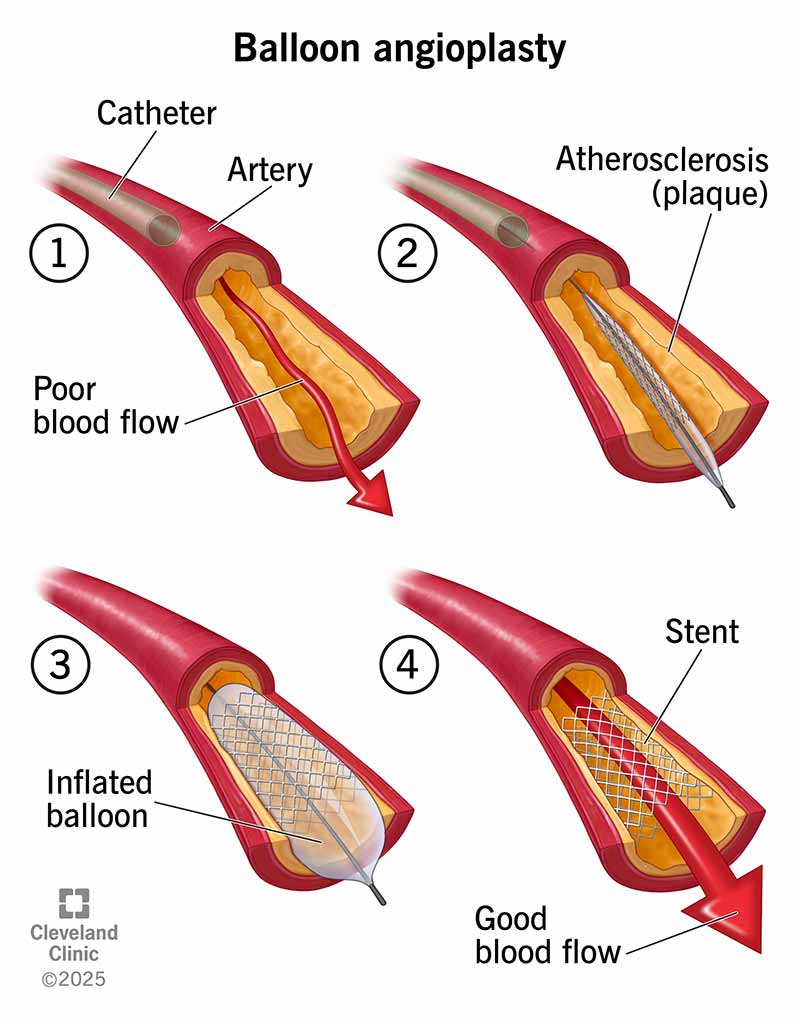
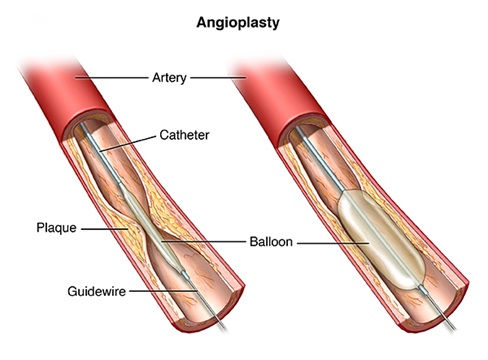
Coronary angioplasty (also known as Percutaneous Coronary Intervention or PCI) is a minimally invasive procedure designed to open clogged or narrowed heart arteries.
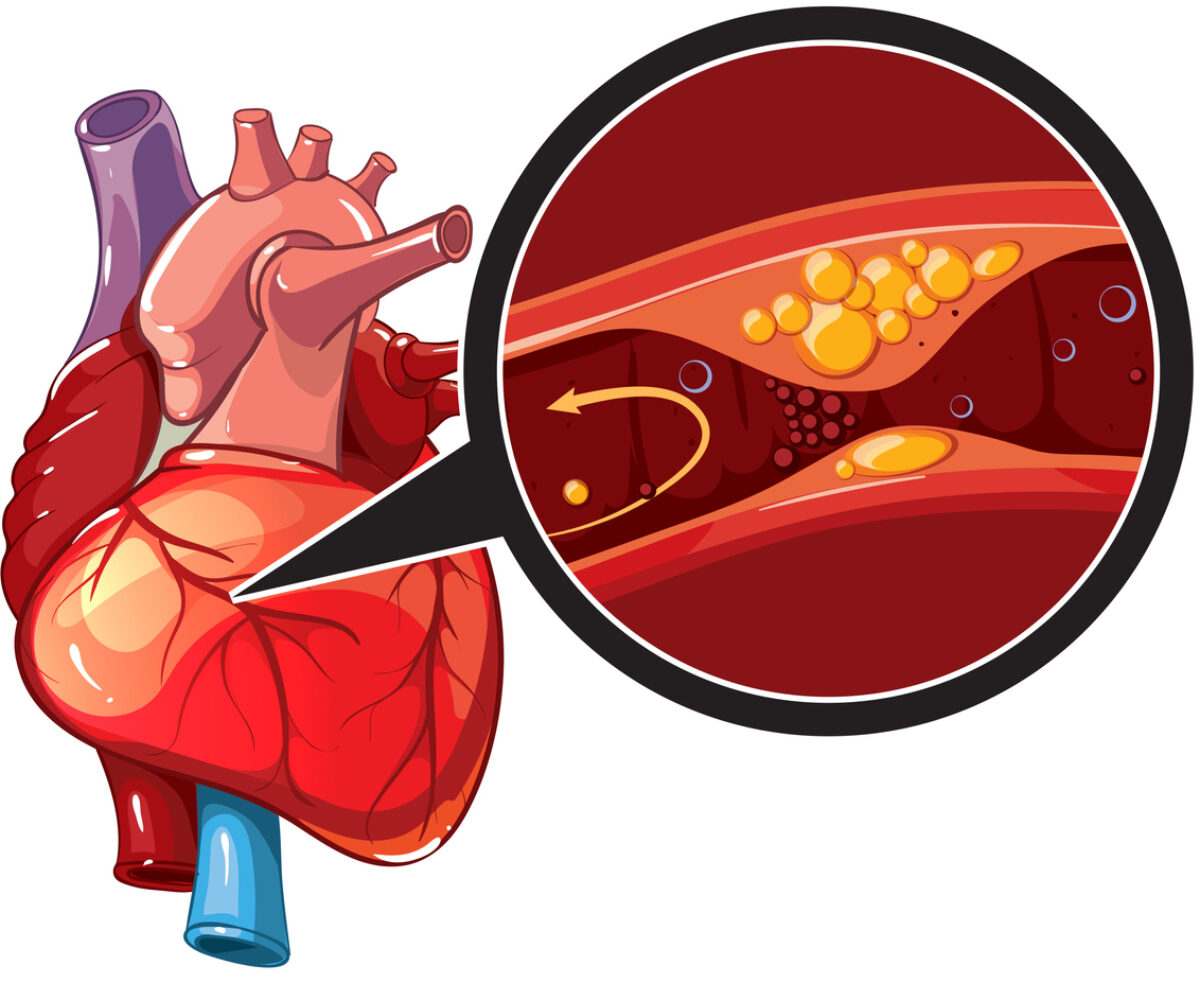
The Problem: Your heart gets blood from coronary arteries. Over time, a fatty substance called plaque can build up, narrowing the artery and reducing blood flow. This can cause chest pain (angina) or, if the blockage is sudden and complete, a heart attack.
The Solution: We use a tiny balloon to push this plaque against the artery wall, restoring blood flow.
The Stent: In almost all cases, a small, wire-mesh tube called a stent is then placed in the artery. This stent acts as a permanent scaffold to keep the artery open.
Why Would I Need an Angioplasty?
This procedure is a cornerstone of modern cardiology. I typically recommend it in three main situations:
To Stop a Heart Attack: In an emergency, angioplasty is the fastest way to open a blocked artery and save heart muscle.
To Relieve Chest Pain (Angina): If you have significant blockages that cause chest pain and aren’t controlled by medication, angioplasty can provide immediate relief.
To Prevent Future Problems: If a stress test or angiogram shows a high-risk blockage, a planned angioplasty can prevent a future heart attack.
A Step-by-Step Patient Guide to the Procedure
The most common fear is the procedure itself, but it’s important to know you will be given medication to relax and the area will be numbed. You will not feel pain.
Before the Procedure You will be instructed to not eat or drink for several hours beforehand. We will review your medications and perform some routine blood tests.
During the Procedure A local anesthetic is applied to your wrist or groin. A tiny, flexible tube (a catheter) is guided through your artery toward your heart. You will not feel this. A special dye is injected to create an X-ray “map” (an angiogram) to find the exact blockage. A small balloon is inflated at the blockage site, and then the stent is put in place. The whole process typically takes 30 to 60 minutes.
After the Procedure You will be moved to a recovery area for monitoring. Most patients stay in the hospital for one night for observation.
What is Angioplasty Recovery Like?
This is a critical part of any patient guide to angioplasty. Recovery is much faster than open-heart surgery.
In the Hospital: You’ll be monitored closely for the first 12-24 hours.
At Home: Most people return to light activities and desk work within a week. You should avoid heavy lifting for a short period.
Medication: You will be prescribed crucial blood-thinning medications to prevent clots from forming on the new stent. It is vital you take these exactly as prescribed.
For more information on all types of cardiac device management, you can read about other procedures like pacemaker implantation.
Risks vs. Benefits
The benefits of angioplasty are immense: it can be life-saving, stop chest pain, and improve your quality of life. Like any medical procedure, it has risks, though they are uncommon. These can include bleeding at the catheter site or, rarely, other complications. The American Heart Association provides an excellent overview of these risks. We will discuss your specific situation in detail before the procedure.
Your Kolkata Angioplasty Specialist
When choosing a doctor for your angioplasty, experience matters. As an interventional cardiologist with a DM in Cardiology and a track record of over 1,500 successful angioplasties , my team and I are dedicated to providing the highest standard of care.
This patient guide to angioplasty is a starting point. The next step is a personal consultation.
If you are in the Kolkata area, please contact our clinic today to schedule an appointment. We are here to answer all your questions and give you confidence in your heart health.
Heart disease is one of the leading health concerns in India today, and finding the right cardiologist is essential for proper diagnosis, treatment, and long-term care. If you’re searching for the top heart specialist in Kolkata, look no further than Dr. Avishek Saha, one of the most trusted names in the field of cardiology.
👨⚕️ About Dr. Avishek Saha Top Heart Specialist in Kolkata
Dr. Avishek Saha is a highly skilled and compassionate cardiologist in Kolkata with years of experience in diagnosing and treating various heart conditions. His patient-first approach, combined with advanced diagnostic techniques, ensures comprehensive and personalized cardiac care for every patient.
Whether it’s preventive cardiology, emergency heart care, or post-treatment monitoring, Dr. Saha provides end-to-end solutions for maintaining optimal heart health.
💡 Why Choose Dr. Avishek Saha? Top Heart Specialist in Kolkata
✅ Professional Expertise: Dr. Saha has a strong reputation for his expertise in handling complex cardiac cases and providing clear, effective treatment plans.
✅ 24×7 Emergency Service: Cardiac emergencies require immediate attention. Dr. Saha’s team ensures rapid response and life-saving care when every second counts.
✅ Modern Laboratory & Equipment: Advanced diagnostic facilities and modern laboratory services help in accurate evaluation and faster recovery.
✅ Patient-Centered Care: Every patient receives personal attention and tailored advice to promote long-term heart wellness.
❤️ Conditions Treated Top Heart Specialist in Kolkata
Coronary Artery Disease
Hypertension & High Cholesterol
Heart Failure
Arrhythmia & Palpitations
Chest Pain & Shortness of Breath
Preventive Cardiology & Lifestyle Guidance
🌐 Book Your Consultation Today
Take charge of your heart health before it’s too late. Schedule an appointment with Dr. Avishek Saha, the top heart specialist in Kolkata, and get expert guidance for a healthy heart.