You just finished a heavy meal, perhaps a classic Kolkata biryani or spicy curry. Suddenly, you feel a sharp discomfort in your chest. Your mind starts racing: “Is it just acidity? Or is it my heart?” Gas vs Heart Attack Symptoms
In India, this confusion is one of the leading causes of delayed heart treatment. Many patients dismiss life-threatening cardiac events as “just gas” until it is too late.
Dr. Avishek Saha, one of the best cardiologists in Kolkata, warns that self-diagnosis can be dangerous. While the symptoms can overlap, there are 5 critical differences that could save your life.
1. The Type of Pain (Burn vs. Squeeze) Gas vs Heart Attack Symptoms
The sensation itself is the biggest clue.
Gas/Acidity: Usually feels like a “burning” sensation (heartburn) behind the breastbone or a sharp, stabbing pain that moves around.
Heart Attack: Often feels like pressure, heaviness, or squeezing. Patients describe it as “an elephant sitting on my chest.” If the pain feels like a tight band, do not ignore it.
2. Does the Pain Move? (Radiation) Gas vs Heart Attack Symptoms
Gas: The pain usually stays inthe chest or belly.
Heart Attack:Cardiac pain often radiates. It travels from the chest to the left arm, jaw, neck, or back.
Expert Insight: “Jaw pain combined with chest discomfort is a classic ‘red flag’ for women,” says Dr. Saha.
3. The “Movement” Test Gas vs Heart Attack Symptoms
This is a quick way to check yourself at home.
Gas: If you burp, change position, or walk around, gas pain often changes or gets better.
Heart Attack: Heart pain persists regardless of your position. Worse, if the pain increases when you walk or climb stairs and stops when you rest, it is a sign of Angina (blocked arteries).
4. Associated Symptoms (Sweat & Breath) Gas vs Heart Attack Symptoms
Gas pain rarely comes with systemic symptoms. A heart attack, however, triggers a body-wide alarm.
Look for Cold Sweats: Breaking out in a sweat in an air-conditioned room is not normal.
Look for Shortness of Breath: If you are gasping for air without doing heavy exercise, seek emergency help.
5. Duration Matters
Gas: Can last for hours or come in sharp, quick waves.
Heart Attack: Usually lasts more than 15-20 minutes and does not go away with antacids or water.
Dr. Saha’s Advice: “Better Safe Than Sorry” Gas vs Heart Attack Symptoms
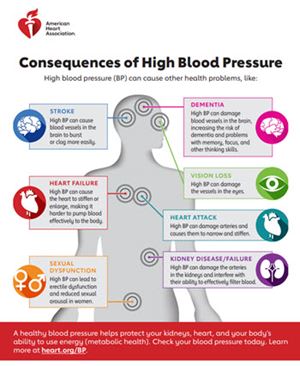
If you are over 40, have diabetes, or high blood pressure, never assume it is “just gas.”
The “Golden Hour” is vital. Accessing timely care at a top facility can prevent permanent heart muscle damage. Dr. Avishek Saha utilizes advanced Angioplasty techniques to restore blood flow immediately in emergency cases.
Conclusion
Don’t gamble with your health. If you are unsure, get checked. A simple ECG or consultation can provide peace of mind and safety.
Experiencing Chest Discomfort? Connect with Kolkata’s trusted heart specialist today.
📍 Clinic: 26, Manohar Pukur Road, Kolkata – 700029 📞 Emergency/Booking: +91 9874381872 🌐 Book Your Consultation Now
When you type “Best Cardiologist in Kolkata” into Google, you aren’t just looking for a name—you are looking for trust, experience, and successful outcomes. According to the World Health Organization (WHO), cardiovascular diseases are the leading cause of death globally, making the choice of your specialist the most critical decision you will make for your health. Best Cardiologist in Kolkata
With hundreds of doctors in the city, how do you make the right choice for yourself or your parents? Here is what defines the “Best” in cardiac care, and how Dr. Avishek Saha exemplifies these standards. Best Cardiologist in Kolkata
1. Expertise in Interventional Cardiology Best Cardiologist in Kolkata
The best heart doctors don’t just prescribe medicine; they are skilled in life-saving interventions. In an emergency, you need a doctor who can perform complex procedures immediately.
Dr. Saha’s Edge: With over 15 years of experience and a DM in Cardiology, Dr. Saha is a specialist in complex interventions. This includes Angioplasty (opening blocked arteries) and Pacemaker Implantation for rhythm disorders.
2. Accessibility & Emergency Response Best Cardiologist in Kolkata
Heart issues don’t follow a 9-to-5 schedule. The “best” doctor is one who is accessible when you need them most.
Dr. Saha’s Edge: Located centrally at Manohar Pukur Road, our clinic offers coordination for emergencies. Whether it is sudden chest pain or a query about medication, our patient-centric approach ensures you are never left helpless.
3. Proven Patient Track Record Best Cardiologist in Kolkata
In the digital age, patient stories are the truest measure of a doctor’s success.
Real Feedback:“He listens patiently, no hurry at all… a gem of a person.” — This is a common sentiment among Dr. Saha’s 1500+ happy patients. A top doctor explains the why and how of your treatment, putting your anxiety at rest.
4. Advanced Technological Infrastructure
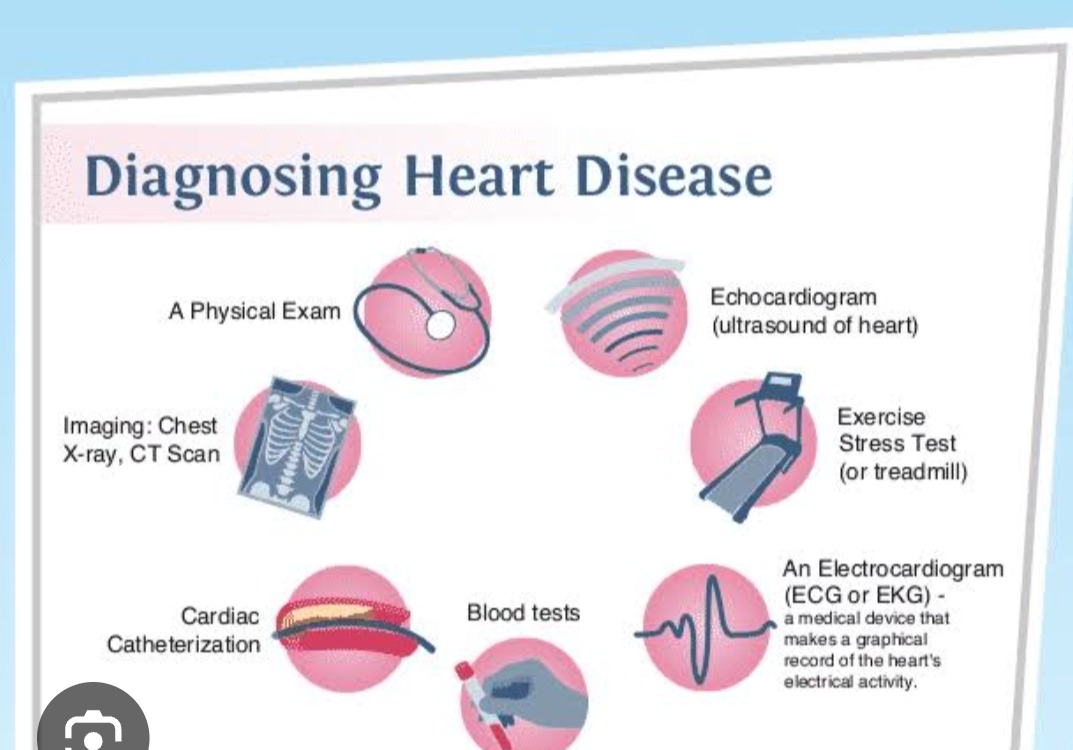
Modern cardiology relies on precise imaging and minimally invasive tools. Procedures like Coronary Angiography allow doctors to visualize blood vessels with incredible detail.
Dr. Saha’s Edge: We utilize the latest catheterization technology to ensure faster recovery and minimal scarring. From diagnosing blockages to performing Peripheral Interventions, we use state-of-the-art tools for precision care.
5. Transparency in Treatment
The hallmark of a leading specialist is honesty. Unnecessary stents or surgeries are a common fear for patients.
Ethical Care: Dr. Saha is known for his ethical practice. He follows international guidelines, such as those from the American Heart Association, recommending surgery only when it is the absolute best option for your long-term health.
The Verdict
If you are looking for a blend of clinical excellence, ethical treatment, and compassionate care, your search ends here. Your heart deserves the best hands in Kolkata.
Ready to Prioritize Your Heart Health?
Don’t wait for symptoms to worsen. Book a consultation with Dr. Avishek Saha today.
When we think of heart trouble, we often imagine the dramatic scenes from movies: a person clutching their chest in agony and collapsing. However, in real life, heart disease can be much more subtle. As an Interventional Cardiologist with over 15 years of experience, I often see patients who dismissed “minor” symptoms for months, only to realize later they were warning signs of a serious cardiac issue. Signs of Heart Trouble
Your heart speaks to you in whispers before it shouts. Here are 5 silent signs of heart trouble that you should never ignore.
1. Extreme Fatigue and Exhaustion Signs of Heart Trouble
It is normal to be tired after a long day of work. But if you feel sudden, unexplained fatigue—like you are too exhausted to climb a flight of stairs or carry groceries—it could be a red flag. This happens when the heart struggles to pump enough blood to meet the body’s needs.
What to do: If rest doesn’t help, it’s time for a cardiac evaluation.
[Internal Link: Check Our Services]
2. Swollen Feet and Ankles (Edema) Signs of Heart Trouble
Are your shoes feeling tighter than usual? Swelling in the lower legs, ankles, or feet is a classic sign of fluid retention, often caused by heart failure. When the heart doesn’t pump efficiently, blood backs up in the veins, causing fluid to leak into surrounding tissues.
3. Irregular Heartbeat (Palpitations) Signs of Heart Trouble
Do you ever feel like your heart is racing, fluttering, or skipping a beat while you are sitting still? While this can be caused by anxiety or caffeine, frequent palpitations can indicate an arrhythmia (irregular heart rhythm) like Atrial Fibrillation.
Treatment: We offer specialized solutions like [Pacemaker Implantation] for rhythm management.
4. Jaw, Neck, or Back Pain
Pain doesn’t always start in the chest. In many cases—especially in women—heart pain manifests as a dull ache in the jaw, neck, or upper back. This is known as “referred pain” and is one of the most commonly missed signs of a heart attack.
5. Shortness of Breath
If you find yourself gasping for air after a short walk or while lying down flat in bed, your heart might be signaling distress. Shortness of breath is a key symptom of both coronary artery disease and valve issues.
Don’t Wait for an Emergency Signs of Heart Trouble
The best way to treat heart disease is to catch it early. At Heart Care Clinic, we believe in proactive care. Whether you need a simple consultation or a complex [Coronary Angiography], our goal is to get you back to a healthy, active life.
With state-of-the-art technology and a patient-centered approach, Dr. Avishek Saha ensures that every diagnosis is accurate and every treatment is personalized.
Book Your Heart Check-Up Today Signs of Heart Trouble
Your health is your greatest wealth. If you are experiencing any of these symptoms, don’t self-diagnose. Visit the best cardiologist in Kolkata today.
Introduction: When Expertise Meets Compassion Best Cardiologist Kolkata
Your heart works non-stop, and so should your heart care. In a bustling city like Kolkata, finding a specialist who combines top-tier medical expertise with genuine patient compassion can be a challenge. Enter Dr. Avishek Saha, widely recognized as one of the best cardiologists in Kolkata. Best Cardiologist Kolkata
With over 15 years of experience and a track record of over 1,500 happy patients, Dr. Saha is not just a doctor; he is a partner in your journey toward a healthier life. Whether you are looking for a routine heart check-up, need a complex coronary angiography, or require urgent emergency cardiac care, Dr. Saha is the trusted name thousands of families rely on.
Why Dr. Avishek Saha is the Top Choice for Heart Care Best Cardiologist Kolkata
Choosing a heart specialist is a life-changing decision. Here is why Dr. Avishek Saha stands out as the top heart doctor in Kolkata: Best Cardiologist Kolkata
Highly Qualified & Experienced: Holding a DM in Cardiology (2017) and an MD, Dr. Saha brings over two decades of medical knowledge to his practice.
Expert in Complex Interventions: He specializes in minimally invasive procedures that ensure faster recovery and better outcomes.
Patient-Centered Approach: Known for his “listening ear,” Dr. Saha takes the time to explain diagnoses clearly, ensuring you never feel rushed.
State-of-the-Art Technology: From the latest pacemaker implants to advanced imaging, his clinics are equipped with modern cardiac technology.
“Dr. Avishek Saha is a gem of a person. He listens patiently, no hurry at all… his diagnosis is very accurate.” — Vishal Gupta (Patient Review)
Comprehensive Services: World-Class Cardiac Care Under One Roof Best Cardiologist Kolkata
Dr. Saha offers a full spectrum of services, making his practice a one-stop destination for cardiac health in West Bengal.
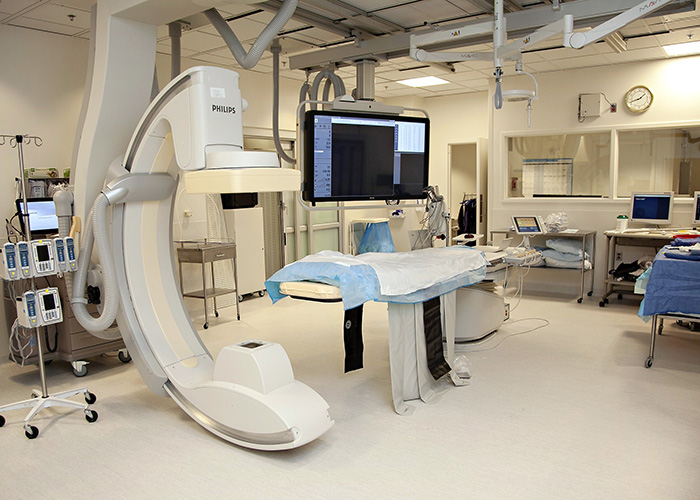
![Image Alt Text: Advanced Angioplasty and Angiography equipment in Kolkata hospital] (Insert Image of Medical Equipment or Procedure Illustration)
24/7 Emergency Heart Care: Because Every Second Counts
Heart attacks don’t wait for office hours. Recognizing the critical need for immediate care, Dr. Saha provides 24/7 Emergency Cardiac Services.
If you or a loved one experiences chest pain, sudden shortness of breath, or palpitations, immediate intervention is available. His affiliation with top hospitals like Woodlands and Manipal Hospitals ensures that critical care is always within reach.
Q: How do I book an appointment with Dr. Avishek Saha? A: You can easily book an appointment by calling +91 98743 81872 or visiting our Contact Page.
Q: Is Dr. Saha available for emergency angioplasty? A: Yes, Dr. Saha specializes in primary angioplasty for acute heart attacks and is available for emergencies 24/7.
Q: Does Dr. Saha treat children with heart defects? A: Yes, he performs device closures for congenital defects like ASD, VSD, and PDA.
Take the First Step Toward a Healthy Heart
Don’t ignore the warning signs. Whether it’s high blood pressure, cholesterol management, or a specific heart condition, Dr. Avishek Saha is here to guide you back to health.
Ready to prioritize your health? 👉 Book Your Consultation Now 📞 Call: +91 98743 81872 📧 Email: avisheksaha72@gmail.com
What Defines the Best Cardiologist in Kolkata?(Focus here on experience, success rate, and patient reviews) Best Cardiologist in Kolkata
When you or a loved one is facing heart trouble, you don’t just want a doctor; you want the best cardiologist in Kolkata. You want certainty, expertise, and a pair of hands you can trust with your life. Best Cardiologist in Kolkata
Every day, patients search for the top 10 heart specialist in Kolkata or the best cardiologist in Kolkata PG hospital, hoping to find a solution. While lists and rankings change, one name stands out consistently for his patient-first approach and surgical precision: Dr. Avishek Saha.
If you are looking for an Interventional Cardiology Expert who combines world-class medical skill with genuine compassion, here is why Dr. Saha should be your first call.
Beyond the Rankings: What Makes Dr. Saha Unique? Best Cardiologist in Kolkata
While many doctors vie for the title of No 1 cardiologist in Kolkata, true excellence is measured by patient outcomes. Dr. Avishek Saha distinguishes himself not just through his credentials, but through his method of care.
Unlike the overcrowded OPDs where patients often feel rushed, Dr. Saha is renowned for his patient-centric approach. He believes that treating the heart requires understanding the human behind it.
24/7 Emergency Availability: Heart attacks don’t wait for office hours, and neither does Dr. Saha.
Minimal Recovery Time: As an expert in Radial Angiography (wrist access), he ensures procedures are less painful and recovery is faster.
Transparent Communication: No medical jargon—just clear, honest advice about your health.
Expertise That Save Lives Best Cardiologist in Kolkata
Dr. Saha is not just a general heart specialist doctor in Kolkata; he is a specialist in Interventional Cardiology. This means he is trained to perform advanced, minimally invasive procedures that fix heart problems without open-heart surgery whenever possible.
His core areas of expertise include:
Coronary Angiography & Angioplasty: Clearing blockages to prevent heart attacks.
Pacemaker Implantation: Regulating heartbeats for a specialized quality of life.
ICD & CRT Implantation: Advanced solutions for heart failure.
Access to the Best Hospitals for Cardiology in Kolkata Best Cardiologist in Kolkata
One of the most common questions patients ask is about the top 10 heart specialist hospital in Kolkata.
Dr. Avishek Saha bridges the gap between top-tier infrastructure and accessible care. He is associated with some of the region’s finest medical institutions, including Manipal Hospital and Woodlands Hospital.
This gives you the “best of both worlds”:
The Infrastructure: Access to state-of-the-art Cath Labs and ICUs at West Bengal’s premier hospitals.
The Personal Touch: The dedicated attention of a private consultant who tracks your recovery personally.
Whether you have been looking for a specialist at Apollo or PG Hospital, consulting Dr. Saha allows you to access similar high-level care with often shorter waiting times and more personalized attention.
Why Patients Choose Dr. Avishek Saha Best Cardiologist in Kolkata
In the crowded field of the top 10 cardiologist in West Bengal, Dr. Saha’s reputation is built on trust. With a 4.9-star rating and hundreds of success stories, he is the preferred choice for patients who want to be heard, not just treated.
“Dr. Avishek Saha is not only an excellent doctor, but he also has a simple, friendly approach… He takes time with patients to help them with their health issues!” — Sharmistha Bhattacherjee (Verified Patient)
Conclusion: Your Heart is in Safe Hands
Stop scrolling through endless lists of the top 5 cardiologist in Kolkata. Your heart deserves immediate, expert attention.
If you are looking for the best cardiologist in Kolkata who offers advanced treatment with a human touch, book your consultation with Dr. Avishek Saha today.
⭐ “Why You Should Get a Heart Checkup Every Year: 7 Life-Saving Benefits You Didn’t Know (2025 Guide) annual heart checkup
Heart disease is the #1 cause of death in India, and most cases are discovered too late. What many people don’t realize is that a simple annual heart checkup can detect 80% of heart issues early — sometimes even before symptoms appear.
This blog explains the 7 biggest reasons why everyone above 30 should get a yearly heart checkup, and how it can prevent heart attacks, blockages, and life-threatening emergencies.
❤️ 1. Detects Heart Blockage Before It Becomes Serious annual heart checkup
Heart blockage usually develops silently. Symptoms appear only when the blockage reaches 70–90%, which is extremely dangerous.
A yearly heart checkup can identify:
Reduced blood flow
Thickened artery walls
Early blockage formation
This allows timely angioplasty or lifestyle correction before things become critical.
❤️ 2. Helps Identify High Blood Pressure & Diabetes Early annual heart checkup
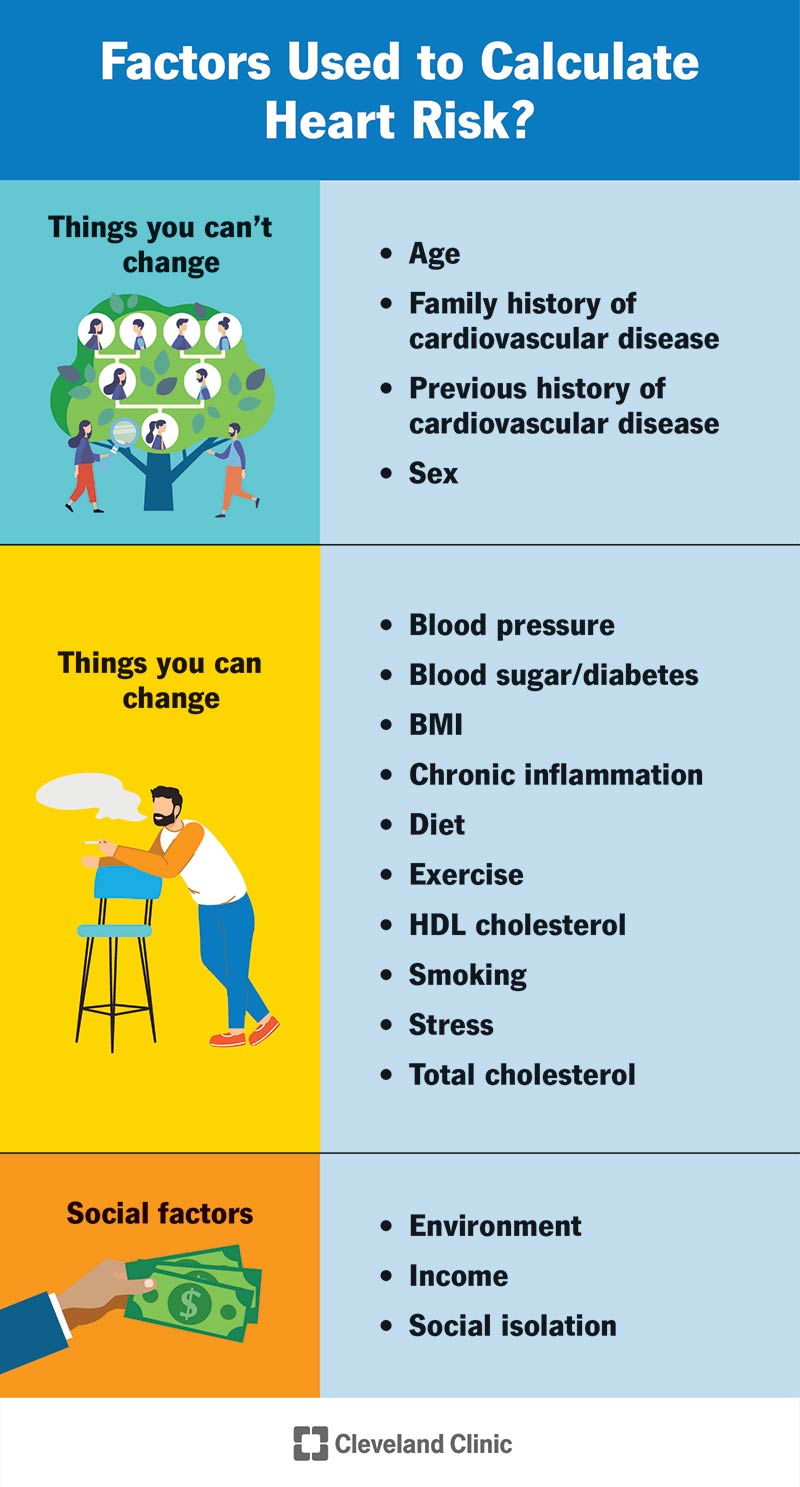
High BP and diabetes are major risk factors for heart attack.
The problem? Many people don’t even know they have them.
Regular screenings catch these silent killers early, allowing treatment before they damage your heart.
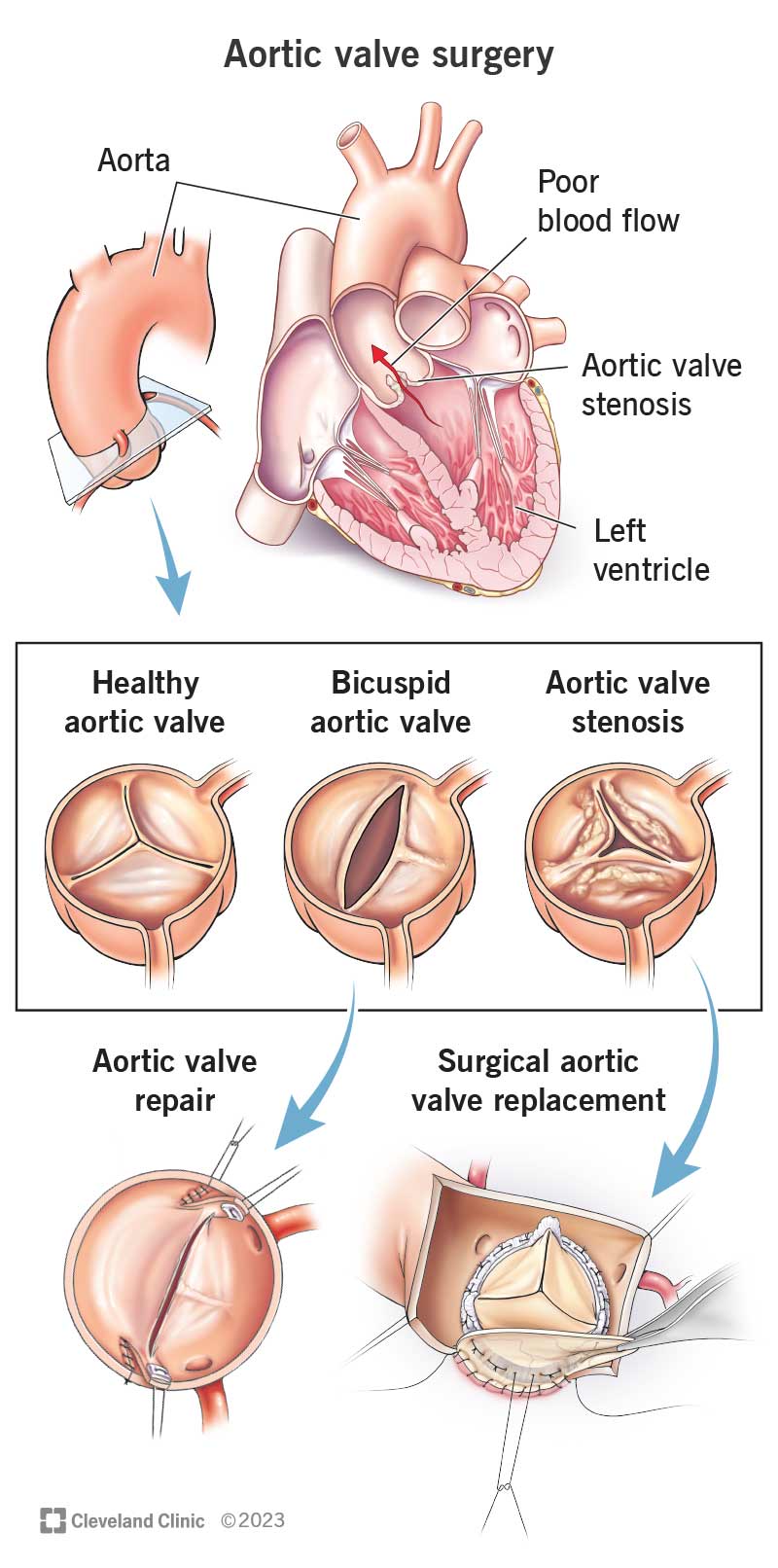
❤️ 3. Reveals Valve Problems Before They Turn Dangerous
Valve diseases like:
Mitral Stenosis
Aortic Regurgitation
Aortic Stenosis
…can go unnoticed for years.
Early diagnosis can prevent:
Breathlessness
Heart failure
Emergency surgery
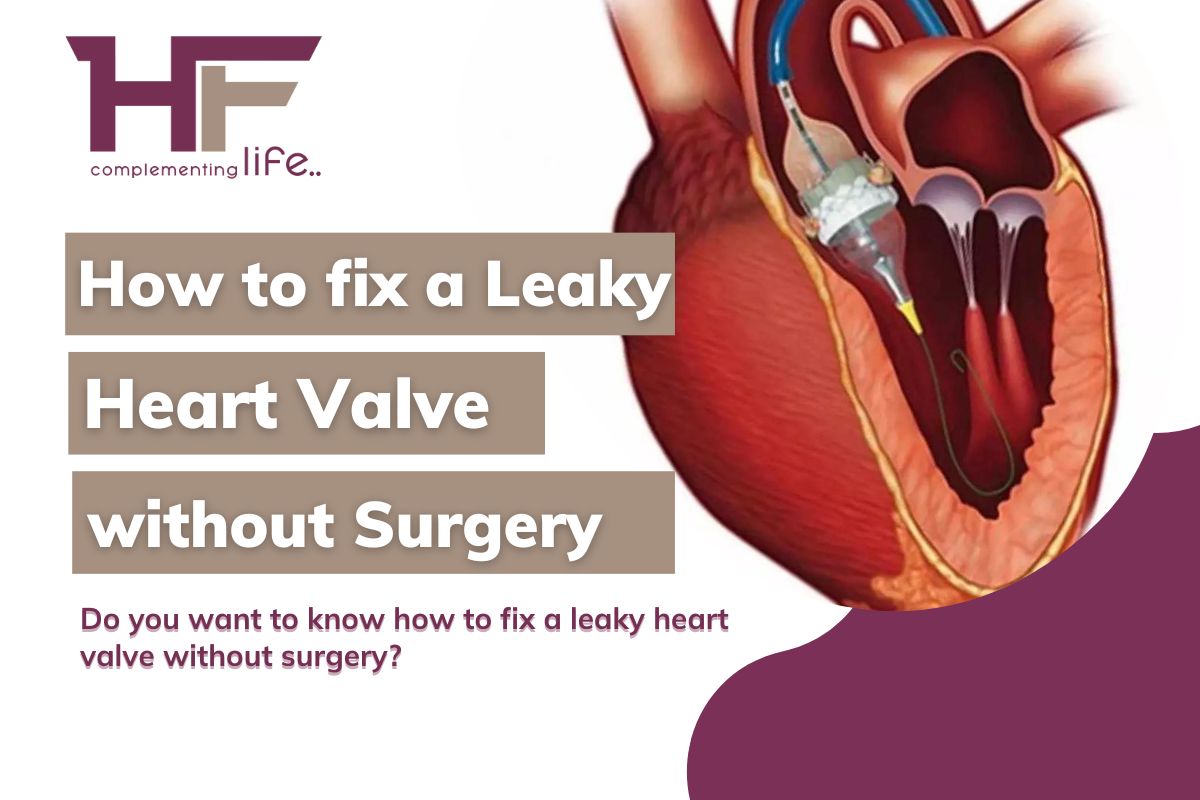
And with experts like Dr. Avishek Saha, many valve issues can be treated without open-heart surgery (BMV, device-based treatments).
❤️ 4. Helps Prevent Heart Attacks in High-Risk Individuals
Heart disease is rising rapidly in India, and Kolkata has become a major hub for advanced cardiology treatments. Among the leading specialists, Dr. Avishek Saha has earned a strong reputation for providing cutting-edge heart care, minimally invasive treatments, and compassionate patient support.
In this blog, we explore why more families in Kolkata are choosing Dr. Saha for their cardiac care and how his expertise is helping patients avoid major surgeries, recover faster, and live healthier lives.
❤️ 1. Expertise in Minimally Invasive Heart Treatments
Unlike traditional open-heart surgery, minimally invasive cardiology offers:
Heart disease continues to be one of the leading causes of death in India, and early diagnosis by an expert heart specialist can save lives. When you begin experiencing symptoms like chest pain, palpitations, shortness of breath, or unusual fatigue, searching for the best cardiologist in Kolkata becomes essential.
But with so many specialists available, how do you make the right choice?
This guide brings you everything you need to know — from understanding cardiology treatments to choosing the right expert, and why Dr. Avishek Saha is emerging as one of the most trusted interventional cardiologists in Kolkata.
❤️ What Does a Cardiologist Do?
A cardiologist is a specialist doctor who diagnoses and treats:
Heart attacks
Coronary artery disease
Valve diseases
Rhythm disorders
Congenital heart defects
Heart failure
High blood pressure
When a cardiologist is also trained in procedures like angioplasty, stent placement, device closure, or non-surgical valve interventions, they are known as an interventional cardiologist.
🔍 Top Signs You Should See a Cardiologist Immediately Cardiologist in Kolkata
Chest pain or tightness
Breathlessness while walking or climbing stairs
Irregular heartbeat or palpitations
Swelling in legs
Uncontrolled BP or diabetes
Family history of heart disease
Recovery after an angioplasty or surgery
If you experience these symptoms, search for a “cardiologist near me Kolkata” and book a consultation.
🏥 Why Choose an Interventional Cardiologist in Kolkata? Cardiologist in Kolkata
Interventional cardiologists perform minimally invasive, non-surgical procedures that help diagnose and treat heart problems with less pain and faster recovery.
Popular treatments include:
✔ Angioplasty & Stent Placement
Opens blocked arteries using a balloon and stent.
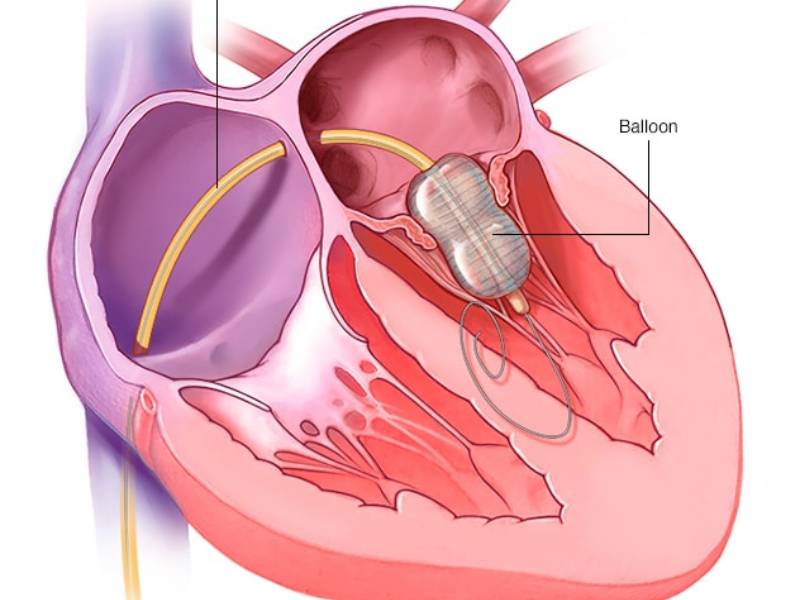
✔ Balloon Mitral Valvuloplasty (BMV)
A non-surgical alternative to open-heart surgery for mitral stenosis.
✔ Pacemaker / ICD Implantation
✔ Device Closure for ASD, VSD, PDA
Treats structural heart defects without open surgery.
✔ Peripheral Angioplasty
For blocked leg arteries.
Kolkata is now known as a major hub for advanced cardiology treatments with success rates comparable to global standards.
💗 BMV: A Breakthrough Alternative to Open-Heart Surgery
If you or a family member has Mitral Stenosis, you may not always need open-heart surgery. Balloon Mitral Valvotomy (BMV) is a safer, quicker and less painful option.
🔹 Benefits of BMV
No open chest incision
Faster recovery
Same-day or next-day discharge
Lower cost
Highly effective when done by experienced specialists
This is one of the signature expertise areas highlighted on the official cardiology page of 👉 dravisheksaha.com/cardiologist
📍 Finding the Best Cardiologist in Kolkata by Location Cardiologist in Kolkata
Searches like:
“cardiologist in Salt Lake Kolkata”
“cardiologist in South Kolkata”
“heart specialist in Mukundapur”
“interventional cardiologist near me Kolkata”
show that patients prefer specialists closest to their residence.
Kolkata has strong medical zones like Salt Lake, Mukundapur, Alipore, Garia, EM Bypass, and New Town — with leading hospitals and modern cath-labs.
⭐ Why Many Patients Prefer Dr. Avishek Saha Cardiologist in Kolkata
(Optimized for your website)
Dr. Avishek Saha is a leading Interventional & Structural Heart Cardiologist in Kolkata, known for:
Expertise in minimally invasive heart procedures
Trained in advanced structural heart interventions
Excellent patient communication
Emergency and critical cardiac care
Treatments across leading hospitals in the city
His website provides a well-structured guide on: ✔ Cardiologist selection ✔ Heart disease symptoms ✔ Non-surgical treatment options ✔ Location-based cardiology services in Kolkata
Visit: dravisheksaha.com/cardiologist
📈 Cost of Common Cardiology Procedures in Kolkata (Approx.) Cardiologist in Kolkata
(Good for SEO & user engagement)
Angioplasty: ₹65,000 – ₹2,00,000
Stent (DES): ₹28,000 – ₹40,000 per stent
Pacemaker: ₹55,000 – ₹2,50,000
BMV procedure: ₹55,000 – ₹80,000
Device closure (ASD/VSD): ₹1,00,000 – ₹3,00,000
Actual cost depends on hospital, device type, and patient condition.
📝 How to Choose the Best Cardiologist in Kolkata (Checklist) Cardiologist in Kolkata
✔ Check specialization (Interventional vs General) ✔ See hospital affiliations ✔ Compare treatment success rates ✔ Look for emergency availability ✔ Read patient reviews ✔ Consider proximity to your home ✔ Ensure the doctor handles your specific condition (valve disease, blockages, arrhythmia, etc.)
🧠 Top Google-Search FAQs Answered
1. Who is the best cardiologist in Kolkata?
It depends on your condition. For angioplasty, BMV, device closure, and structural heart disease, choose an interventional cardiologist trained in complex procedures.
2. Is angioplasty safe?
Yes, when performed by an experienced specialist in a modern cath-lab.
3. What is the best alternative to open-heart surgery?
Balloon Mitral Valvotomy (BMV), TAVR/TMVR, and device closures are non-surgical alternatives depending on the condition.
4. How soon should I see a cardiologist?
Immediately if you experience chest pain, breathlessness, or palpitations.
📌 Conclusion: Your Heart Deserves Expert Care Cardiologist in Kolkata
Finding the right cardiologist in Kolkata can prevent major emergencies, improve quality of life, and ensure long-term heart health. Interventional experts like Dr. Avishek Saha are transforming cardiac care through modern, minimally invasive treatments.
I. The Crisis in Your Calves: Chronic Leg Pain as a Ticking Cardiovascular Bomb atypical heart attack symptoms kolkata
A. The Deceptive Silence of Peripheral Artery Disease (PAD)
Chronic leg pain—often characterized by aching, fatigue, or cramping known medically as claudication—is an alarm bell that is frequently silenced by patient inertia and, critically, by general medical practitioners. It is common for individuals, particularly those in older age groups, to dismiss these symptoms as merely a routine component of the aging process or minor orthopedic issues. This persistent dismissal, however, allows a silent and deadly cardiovascular condition to advance undetected: Peripheral Artery Disease (PAD). atypical heart attack symptoms kolkata
PAD is far more than just discomfort in the legs; it is a profound failure of the body’s circulation system, specifically the narrowing or blockage of arteries supplying blood to the lower extremities, usually caused by atherosclerosis—the buildup of fatty plaque inside vessel walls. The failure to recognize these early warning signs has contributed to an escalating global health crisis. Data from the Global Burden of Disease study reveals that global cases of PAD surged dramatically, climbing from approximately 66 million in 1990 to more than 113 million in 2019. This massive and growing prevalence underscores the urgency required in diagnosis and intervention.
The most critical factor overlooked when chronic leg pain is generalized is that PAD is universally classified by medical guidelines as a major cardiovascular disease, not merely a localized limb problem. The pathological process of atherosclerosis that restricts blood flow in the legs often affects the coronary and carotid arteries simultaneously. Large-scale studies conclusively demonstrate that individuals diagnosed with PAD have a significantly higher concomitant risk of experiencing a heart attack or stroke. This understanding reveals a vital clinical principle: chronic leg pain is the visible sign of a hidden, deadly, systemic disease. A patient who perceives only localized discomfort is failing to address a systemic cardiovascular time bomb. Therefore, the failure to screen aggressively for PAD in high-risk patients equates to a failure to screen for imminent cardiac disaster, dramatically escalating the threat level and mandating urgent consultation with a specialist. atypical heart attack symptoms kolkata
B. Understanding the Spectrum of PAD Progression atypical heart attack symptoms kolkata
The disease pathway of PAD is characterized by distinct stages, ranging from mild states, which may be asymptomatic or only cause claudication, to the most severe and limb-threatening forms. The most critical manifestation is Critical Limb Ischemia (CLI). CLI represents the terminal stage of PAD where blood flow is so severely restricted that the tissues cannot receive adequate oxygen and nutrients. In this state, devastating complications such as non-healing ulcers, severe infections, or gangrene can develop, placing the limb in immediate and high peril of amputation.
The progression from mild claudication to severe CLI highlights why early, specialist intervention is paramount. Timely diagnosis and the initiation of targeted treatment are absolutely crucial for halting the progression of the disease and preventing these long-term, irreversible complications. The goal of specialist care is to restore robust circulation well before the patient reaches the point of ischemic crisis, securing both limb health and overall cardiovascular prognosis.
II. The Misdiagnosis Trap: The Failure of General Care and the Amputation Catastrophe atypical heart attack symptoms kolkata
A. The Cost of Missed or Delayed Diagnosis
One of the most insidious dangers of PAD lies in its high rate of misdiagnosis or delayed recognition. Because the symptoms overlap with more common, less threatening conditions, many patients are often only correctly diagnosed after the disease has already progressed significantly. General practitioners frequently miss the connection between established underlying conditions—such as existing heart disease or chronic high blood pressure—and the subsequent development of PAD. This failure in detection places the patient on a path toward devastating outcomes.
The quantitative consequence of delayed or inconsistent care is staggering. Research tracking PAD patients highlights a critical link between the continuity of care and the risk of limb loss. Patients who experienced inconsistent access to necessary, high-quality vascular care, or who suffered delays in follow-up and intervention, were found to be significantly more likely to undergo catastrophic procedures. Specifically, these patients were nearly three times more likely to require a major amputation (Odds Ratio 2.96, 95% CI 2.51–3.50) and substantially more likely to require a minor amputation (Odds Ratio 2.48, 95% CI 2.29–2.65) compared to those receiving continuous care. This stark numerical increase in risk underscores the critical reality: the longer optimal, specialized intervention is delayed, the higher the mathematical certainty of limb loss becomes.
B. The Scale of the Amputation Epidemic atypical heart attack symptoms kolkata atypical heart attack symptoms kolkata
The clinical reality surrounding PAD is that amputation is not an unavoidable fate of the disease but, in many cases, a direct consequence of suboptimal care and systemic failure to implement evidence-based diagnostics and treatment protocols. PAD has earned the grim title of the “silent amputator” because it is the single largest cause of non-traumatic amputations. In the United States alone, PAD affects over 10 million individuals and contributes to approximately 400 amputations every single day. This translates to an alarming total of around 150,000 non-traumatic leg amputations annually.
What makes this epidemic particularly unacceptable is that a substantial proportion of these amputations are potentially preventable. Despite the existence of clear, evidence-based diagnostic and therapeutic approaches that can significantly reduce amputation risk, the implementation and patient adherence to these strategies remain suboptimal. This failure is most acutely observed in the highest-risk group: patients with diabetes, who account for the majority of non-traumatic amputations. Following a period of decline, amputation rates among diabetic patients shockingly increased by 50% between 2009 and 2015. This resurgence proves that general practice is often failing to deliver the optimal, life- and limb-saving management that is required. Therefore, the excessively high rate of amputation reflects a failure of implementation and care continuity, establishing that specialized, proactive intervention is urgently needed to interrupt this dangerous trend.
III. Your Personalized Warning: Mapping the High-Risk Profile atypical heart attack symptoms kolkata
Identifying and acting on high-risk factors is the essential first step in limb preservation. For individuals with chronic leg pain, recognizing specific co-morbidities transforms the general health warning into a highly relevant, urgent personal appeal.
A. The Acute Risk for the Diabetic Population
The link between Type 2 Diabetes Mellitus (T2DM) and PAD is profound, particularly within the target demographic. A recent systematic review and meta-analysis focusing on the Indian population confirmed that the combined prevalence of PAD among individuals with T2DM is a significant 18%. This means that nearly one in five diabetic patients in the region is affected by this circulatory crisis, justifying the immediate need for specialist consultation and diagnostic testing.
When assessed across various high-risk patient cohorts—including those with Ischemic Stroke (IS), Cardiovascular Disease (CVD), or Diabetes Mellitus (DM)—the overall prevalence of PAD detected by the Ankle-Brachial Index (ABI) was found to be 27.1%, with the prevalence being highest specifically among those with DM. Age and the duration of DM were consistent risk factors across all cohorts. Furthermore, demographic analysis indicates that the risk profile for this patient population is highly specific: for South Asians, diabetes, smoking, male sex, and mean systolic blood pressure were all independently associated with PAD. By understanding the elevated 18% prevalence among T2DM patients in the region , the post moves beyond being a general advisory and becomes a direct, hyper-relevant call to action, establishing the high likelihood of disease and justifying immediate specialized assessment.
B. The Pervasive Threat of Hypertension
Beyond diabetes, high blood pressure (hypertension) is recognized as a major independent force driving the arterial damage that precedes and exacerbates PAD. The causal mechanism is clear: high BP damages the delicate lining of the artery walls, accelerates the atherosclerotic process, and increases arterial stiffness. A landmark study in the Atherosclerosis Risk in Communities (ARIC) cohort found that people with hypertension had a 1.5 to 2 times higher risk of developing PAD compared to those with normal blood pressure levels. This data confirms that for patients managing hypertension, leg pain should never be dismissed; it is a signal that the ongoing arterial damage has reached the periphery.
C. The Imperative of Specialized Screening
Given the high prevalence and severe consequences, current medical consensus globally mandates specialized screening for PAD in high-risk groups. Specifically, screening using the Ankle-Brachial Index (ABI)—a non-invasive assessment comparing blood pressure in the ankle to the arm—should be routinely performed among patients with ischaemic stroke, cardiovascular disease, or diabetes mellitus.
For a patient reading this and recognizing their own risk factors (T2DM, hypertension, smoking history, or chronic leg pain), the critical question becomes: has my general practitioner performed this essential, life-saving screening? If the answer is no, the patient is almost certainly receiving suboptimal care. The specialist’s role begins precisely here—by moving beyond generalized assumptions of “old age” and providing the targeted, evidence-based vascular screening required to catch the disease before it leads to critical limb ischemia or amputation.
IV. The Pivot to Limb Preservation: Why Endovascular Treatment is Statistically Superior atypical heart attack symptoms kolkata
For patients facing chronic PAD, the choice of intervention is crucial, often representing the decisive factor between limb preservation and amputation. Advanced peripheral intervention specialists focus on techniques that are not merely minimally invasive, but maximally successful for long-term survival and limb salvage.
A. The Endovascular Advantage: Risk Reduction and Recovery
Dr. Avishek Saha specializes in advanced endovascular procedures—techniques performed through small vessel punctures to restore arterial blood flow (revascularization) with minimal patient trauma. This approach is scientifically substantiated to provide superior outcomes compared to traditional, highly invasive open surgical bypass.
Clinical studies demonstrate that an endovascular procedure is associated with a risk-adjusted 16% decreased risk of amputation or death when compared to open revascularization over the study period. This single data point—a 16% improvement in the combined metric of life and limb preservation—is the ultimate validation of the specialized approach. It confirms that endovascular care is not just about avoiding large incisions; it directly translates to improved life and limb survival rates. Beyond the mortality benefit, endovascular surgery provides significant advantages in terms of complication profile and recovery dynamics. It results in fewer complications, shorter hospital stays, and a lower overall mortality rate when compared with traditional open surgery, even while achieving similar rates of technical success and limb salvage.
B. Amplified Benefit for Complex Cases
The benefits of the endovascular approach are particularly pronounced where the patient risk is highest. The amputation-free survival benefit associated with endovascular revascularization was found to be significantly more pronounced in patients with complex co-morbidities, such as congestive heart failure (CHF) or ischemic heart disease (IHD), than in those without these conditions. This suggests that the specialized, less traumatic nature of endovascular techniques provides essential protection for patients whose systemic health status might make them poor candidates for major open surgery.
Furthermore, for the most severely affected patients—those who have already progressed to Critical Limb Ischemia (CLI)—the amputation-free survival benefit associated with an endovascular approach persisted, proving its efficacy precisely at the point of greatest danger. While endovascular procedures may sometimes require more vigilant, ongoing maintenance (with a slightly higher rate of subsequent intervention compared to open surgery—7.4% greater at 30 days) , this reflects a paradigm of proactive, sustained disease management rather than relying on a single, high-risk, potentially devastating surgical intervention.
C. Comparative Treatment Outcomes
The clinical evidence overwhelmingly favors the specialized endovascular approach for limb preservation and improved short-term safety profiles. The following comparative data synthesized from major clinical studies underscores the difference between traditional and modern intervention strategies.
Superior Outcomes: Endovascular Intervention vs. Open Surgery
Metric
Specialized Endovascular Intervention
Traditional Open Surgery (Bypass)
Impact on Patient Outcome
Risk of Amputation or Death
16% Decreased Risk (Risk-Adjusted)
Higher Baseline Risk
Maximally successful for life and limb preservation.
Complication Rate
Lower
Higher
Reduces post-operative morbidity and risk.
Hospital Stay
Shorter Duration
Longer, More Invasive Stay
Faster recovery and reduced risk exposure.
Early Mortality Rate (30-day)
Diminished Mortality (5.3% rate)
Higher Mortality (6.7% rate)
Demonstrates a superior safety profile in the immediate post-procedure critical window.
V. Meet the Specialist: Dr. Avishek Saha’s Comprehensive Toolkit for Advanced PAD
A patient seeking limb preservation requires assurance that their chosen physician is equipped not just for standard procedures, but for the complex, calcified, and potentially failed previous interventions that define advanced PAD. Dr. Avishek Saha’s practice focuses on utilizing the full arsenal of contemporary endovascular technology, ensuring preparedness for the most challenging arterial blockages.
A. Expertise in Complex Revascularization Techniques
Specialized peripheral intervention moves beyond conventional ballooning to address complex lesions, particularly Chronic Total Occlusions (CTO)—arteries that have been 100% blocked for an extended duration. Treating CTOs requires immense skill and specialized strategies, such as subintimal dissection and true lumen re-entry, which are frequently employed in complex revascularization scenarios. The presence of these highly technical skills signals an ability to manage cases often deemed “untreatable” by non-specialists.
The advanced services provided encompass a comprehensive range of state-of-the-art tools necessary for high technical and procedural success rates, even in the most difficult clinical scenarios. These advanced devices and treatments include:
Atherectomy: Mechanical removal of hard plaque buildup to prepare the vessel for ballooning and stenting. Although often used, registry data suggests careful selection for this approach.
Specialized Balloons: This includes conventional angioplasty (PTA), as well as Drug-Coated Balloons (DCB), which deliver medication directly to the vessel wall to prevent re-narrowing, and scoring or cutting balloons to facilitate opening rigid lesions.
Stenting Options: Both Drug-Eluting Stents (DES), which offer medication release to reduce recurrence, and standard Bare-Metal Stents (BMS) are utilized strategically, based on lesion morphology.
High technical and procedural success rates are achievable through the frequent and strategic use of these combination treatments. The ability to deploy atherectomy, specialized balloons, and navigate CTOs confirms the practice’s focus on limb salvage, reassuring patients—especially those with severe blockages—that they are consulting an expert prepared for the most intricate cases.
B. The Difference Between a Generalist and a Peripheral Intervention Expert
The difference between a generalist (like a primary care physician or sometimes a general cardiologist) and a specialized peripheral intervention expert is one of strategic focus. While a generalist focuses on risk factor management (medication, lifestyle changes), a peripheral intervention specialist, such as Dr. Saha, focuses acutely on restoring flow, preserving tissue, and achieving limb salvage.
The utilization of a vast and complex toolkit—including atherectomy, DCB, and techniques to manage severe CTOs—is the definitive evidence of specialized capability. It shows that the expert is capable of achieving revascularization in cases where generalized treatment may have plateaued or where a patient has received a poor prognosis elsewhere. Given that suboptimal implementation of existing evidence-based approaches contributes directly to the rising trend of non-traumatic amputations , seeking out a practitioner who consistently employs these advanced, successful strategies is the critical step toward avoiding irreversible damage. atypical heart attack symptoms kolkata
VI. Urgent Call to Action: Take Control Before the Damage is Done atypical heart attack symptoms kolkata
A. The Deadline: Why You Cannot Afford to Wait
The data presented here is not an academic discussion; it is a clinical warning. The stark fact that delayed intervention can increase the risk of a major amputation by nearly three times (Odds Ratio 2.96) should be treated as a definitive clinical deadline. Every day chronic leg pain is dismissed as “routine aging” is a day the underlying atherosclerotic plaque continues to build, pushing the patient closer to irreversible Critical Limb Ischemia (CLI). atypical heart attack symptoms kolkata
This immediate urgency aligns with broader public health objectives. Leading medical organizations, including the American Heart Association (AHA), have issued urgent calls for actionable policies to enhance the delivery of optimal PAD care with the goal of reducing non-traumatic lower-extremity amputations by 20% by 2030. A patient’s decision to immediately seek specialized assessment and intervention is a direct participation in this vital, limb-saving movement.
B. Secure Your Limb, Secure Your Future: Next Steps for Specialized Assessment atypical heart attack symptoms kolkata
If an individual experiences persistent chronic leg pain, cramping, non-healing sores, or if they possess known high-risk factors such as a history of diabetes (where PAD prevalence approaches 18% in the regional demographic ), high blood pressure, or established cardiovascular disease, an immediate specialized vascular assessment is mandatory. atypical heart attack symptoms kolkata
The most critical initial step is a comprehensive Peripheral Vascular Assessment, which must include routine Ankle-Brachial Index (ABI) screening, conducted and expertly interpreted by a peripheral intervention specialist. It is imperative that patients do not rely solely on a general diagnosis that fails to recognize the severity of systemic cardiovascular disease manifesting in the legs. Only specialized expertise designed explicitly for limb preservation and advanced revascularization can interrupt the dangerous pathway leading to amputation. atypical heart attack symptoms kolkata
C. Contact Dr. Avishek Saha Today
The path to proactive limb preservation and cardiovascular safety starts with one urgent, decisive action. Do not wait for symptoms to progress to the point of irreversible tissue damage or the threat of amputation.
Dr. Avishek Saha HealthcareContact Number: +91 9874381872 Website:www.dravisheksaha.com
Conclusion and Recommendations atypical heart attack symptoms kolkata
The evidence overwhelmingly establishes Peripheral Artery Disease as a widespread, escalating cardiovascular threat whose most devastating consequence, non-traumatic amputation, is often a direct result of delayed diagnosis and suboptimal care implementation. The high prevalence among regional high-risk groups, particularly diabetic patients, necessitates immediate and targeted screening.
The specialized approach of endovascular intervention, as practiced by experts like Dr. Saha, offers a statistically superior pathway for limb and life preservation, providing a risk-adjusted 16% reduction in amputation or death compared to traditional methods. The demonstrated capability to manage complex lesions, including CTOs and heavy use of advanced devices like atherectomy, confirms the practice’s focus on maximizing flow restoration where general treatment has failed. For any individual experiencing chronic leg pain or possessing known PAD risk factors, the recommended action is immediate consultation to leverage specialized diagnostics (ABI) and access advanced endovascular therapies before the disease progresses to critical, irreversible stages where the risk of major amputation increases nearly threefold.
A Patient’s Guide to Angioplasty and Stenting: What to Expect Patient Guide to Angioplasty
If your doctor has recommended an angioplasty, it’s completely normal to feel overwhelmed and have a lot of questions. As an interventional cardiologist in Kolkata, my goal is to provide you with this clear, straightforward patient guide to angioplasty to help you understand every step of the process. My name is Dr. Avishek Saha, and I specialize in this very procedure, having performed over 1,500 coronary angioplasties to help patients get back to their lives. Patient Guide to Angioplasty
This guide will walk you through what angioplasty is, why it’s done, and what you can expect before, during, and after.
What is Angioplasty and Stenting?
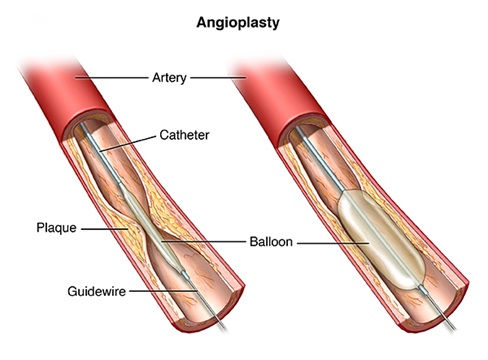
Coronary angioplasty (also known as Percutaneous Coronary Intervention or PCI) is a minimally invasive procedure designed to open clogged or narrowed heart arteries.
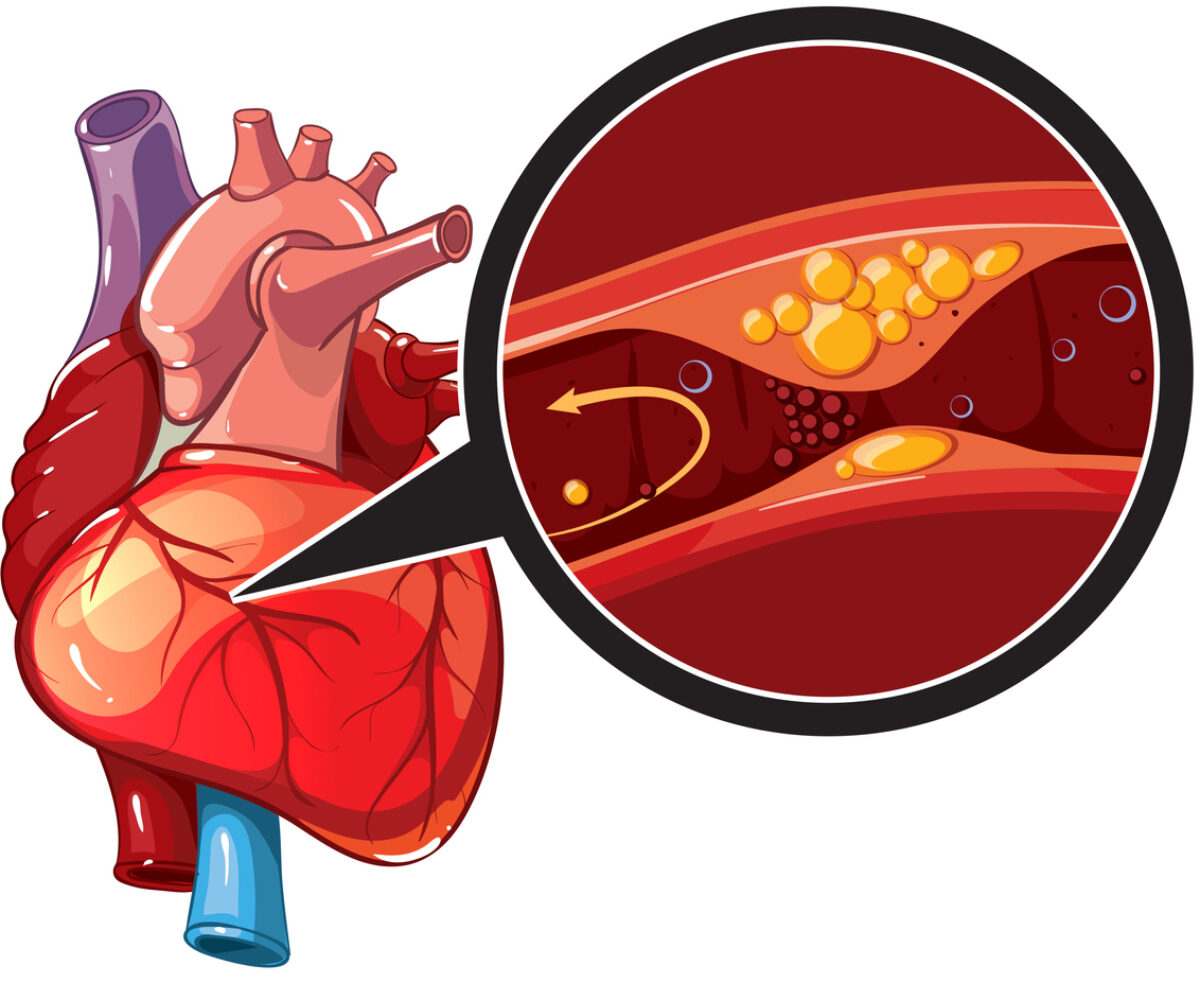
The Problem: Your heart gets blood from coronary arteries. Over time, a fatty substance called plaque can build up, narrowing the artery and reducing blood flow. This can cause chest pain (angina) or, if the blockage is sudden and complete, a heart attack.
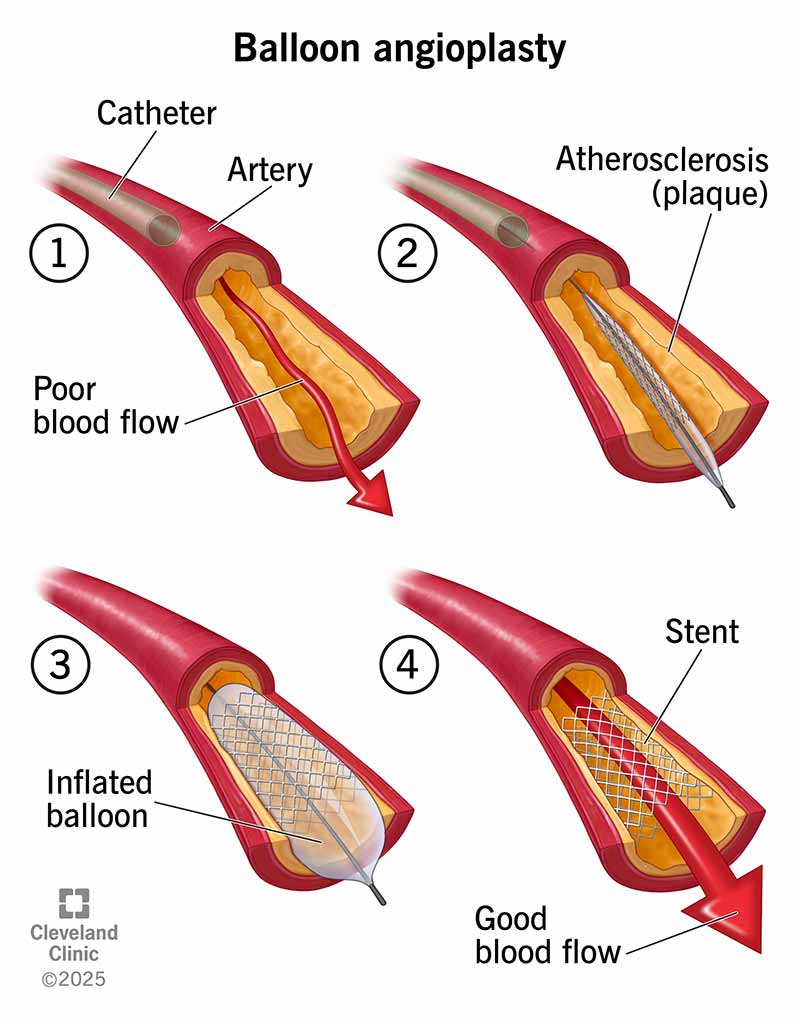
The Solution: We use a tiny balloon to push this plaque against the artery wall, restoring blood flow.
The Stent: In almost all cases, a small, wire-mesh tube called a stent is then placed in the artery. This stent acts as a permanent scaffold to keep the artery open.
Why Would I Need an Angioplasty?
This procedure is a cornerstone of modern cardiology. I typically recommend it in three main situations:
To Stop a Heart Attack: In an emergency, angioplasty is the fastest way to open a blocked artery and save heart muscle.
To Relieve Chest Pain (Angina): If you have significant blockages that cause chest pain and aren’t controlled by medication, angioplasty can provide immediate relief.
To Prevent Future Problems: If a stress test or angiogram shows a high-risk blockage, a planned angioplasty can prevent a future heart attack.
A Step-by-Step Patient Guide to the Procedure
The most common fear is the procedure itself, but it’s important to know you will be given medication to relax and the area will be numbed. You will not feel pain.
Before the Procedure You will be instructed to not eat or drink for several hours beforehand. We will review your medications and perform some routine blood tests.
During the Procedure A local anesthetic is applied to your wrist or groin. A tiny, flexible tube (a catheter) is guided through your artery toward your heart. You will not feel this. A special dye is injected to create an X-ray “map” (an angiogram) to find the exact blockage. A small balloon is inflated at the blockage site, and then the stent is put in place. The whole process typically takes 30 to 60 minutes.
After the Procedure You will be moved to a recovery area for monitoring. Most patients stay in the hospital for one night for observation.
What is Angioplasty Recovery Like?
This is a critical part of any patient guide to angioplasty. Recovery is much faster than open-heart surgery.
In the Hospital: You’ll be monitored closely for the first 12-24 hours.
At Home: Most people return to light activities and desk work within a week. You should avoid heavy lifting for a short period.
Medication: You will be prescribed crucial blood-thinning medications to prevent clots from forming on the new stent. It is vital you take these exactly as prescribed.
For more information on all types of cardiac device management, you can read about other procedures like pacemaker implantation.
Risks vs. Benefits
The benefits of angioplasty are immense: it can be life-saving, stop chest pain, and improve your quality of life. Like any medical procedure, it has risks, though they are uncommon. These can include bleeding at the catheter site or, rarely, other complications. The American Heart Association provides an excellent overview of these risks. We will discuss your specific situation in detail before the procedure.
Your Kolkata Angioplasty Specialist
When choosing a doctor for your angioplasty, experience matters. As an interventional cardiologist with a DM in Cardiology and a track record of over 1,500 successful angioplasties , my team and I are dedicated to providing the highest standard of care.
This patient guide to angioplasty is a starting point. The next step is a personal consultation.
If you are in the Kolkata area, please contact our clinic today to schedule an appointment. We are here to answer all your questions and give you confidence in your heart health.