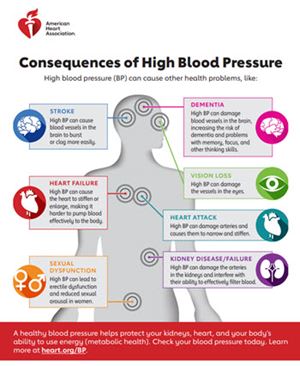
High Blood Pressure (Hypertension) is one of the biggest silent killers in India. What makes it dangerous is that most people do not feel any symptoms until BP becomes severely high — damaging the heart, kidneys, brain, and arteries.
In Kolkata, rising stress levels, poor sleep, and unhealthy diet have made BP a widespread issue even among young adults (25–40 years).
Here are 9 silent symptoms of high BP you should never ignore, explained in a simple and doctor-approved manner.
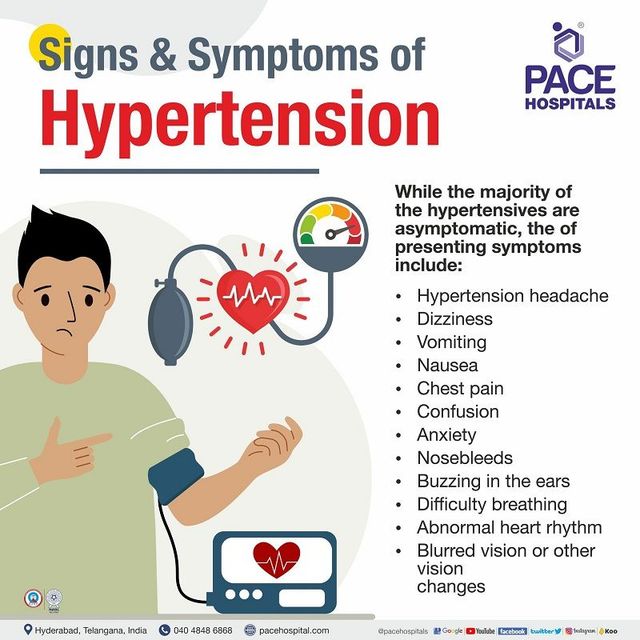
❤️ 1. Persistent Headaches or Mild Pressure in the Head high blood pressure symptoms
High BP causes pressure on blood vessels in the brain, leading to:
Early morning headaches
Heavy head
Head pressure
These are often mistaken for stress or dehydration.
❤️ 2. Dizziness or Sudden Lightheadedness high blood pressure symptoms
When BP spikes, the brain receives fluctuating blood flow, causing:
Giddiness
Imbalance
Feeling faint
This is a red flag for immediate evaluation.
❤️ 3. Blurred Vision or Seeing Spots high blood pressure symptoms
High BP can damage tiny blood vessels in the eyes.
Warning symptoms include:
Blurred vision
Flickering lights
Eye strain
Sudden vision fog
Ignored long enough, this may lead to retinal damage.
❤️ 4. Chest Pain or Heaviness high blood pressure symptoms
High BP forces the heart to pump harder, leading to:
Tightness
Pressure in chest
Burning sensation
This can be an early sign of:
Heart blockage
Heart failure
Hypertensive emergency
Never ignore chest discomfort with BP issues.
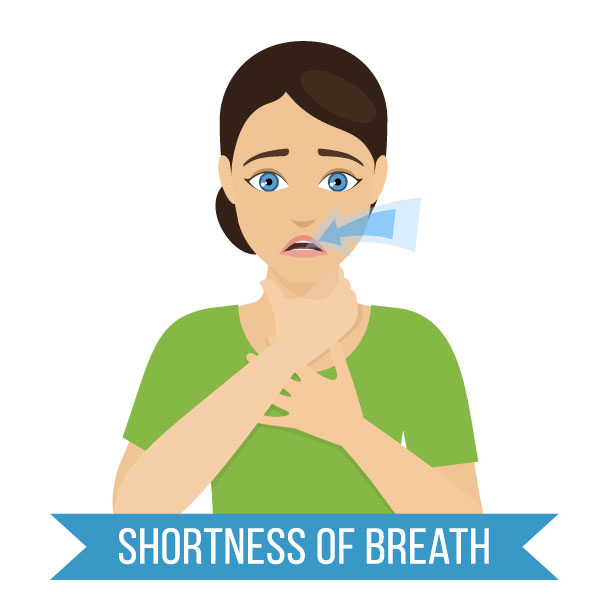
❤️ 5. Shortness of Breath Even Without Activity high blood pressure symptoms
High BP reduces the heart’s pumping efficiency. This causes breathlessness while:
Walking
Talking
Lying down
This needs immediate cardiology evaluation.
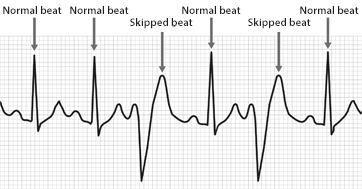
❤️ 6. Irregular Heartbeat or Fast Heart Rate high blood pressure symptoms
Hypertension can cause arrhythmias such as:
Fast heartbeats
Skipped beats
Fluttering sensations
These symptoms mean your heart is under stress.
❤️ 7. Nosebleeds (Especially Sudden Ones)
High blood pressure can weaken nasal blood vessels. Sudden nosebleeds without injury may indicate a BP spike.
❤️ 8. Fatigue and Lack of Energy
When BP is high, the heart must work harder → resulting in fatigue even after light work.
❤️ 9. Swelling in Feet or Face high blood pressure symptoms
Fluid retention due to BP-related kidney strain can cause:
Puffiness in face
Swollen feet
Swelling around eyes
This is often ignored but indicates early organ stress.
⭐ Why High BP Is Dangerous high blood pressure symptoms
If untreated, high blood pressure can cause:
Heart attack
Stroke
Heart failure
Kidney damage
Vision loss
Aneurysm
That’s why recognizing early signs is critical.
⭐ When to See a Cardiologist in Kolkata
You need urgent evaluation if you experience:
BP above 140/90 repeatedly
Chest pain with BP
Breathlessness with BP
Irregular heartbeat
Persistent headaches
Sudden vision issues
🌟 Why Patients Trust Dr. Avishek Saha for BP & Heart Problems
Dr. Avishek Saha is known for:
✔ Expertise in high BP–related heart issues ✔ Advanced evaluation of chest pain & palpitations ✔ Minimally invasive treatments (angioplasty, BMV) ✔ Accurate diagnosis without unnecessary tests ✔ Clear, friendly explanation of conditions ✔ Trusted care for young & older adults alike
Patients across Kolkata choose him for safe, expert, and compassionate heart care.
⭐ “Why You Should Get a Heart Checkup Every Year: 7 Life-Saving Benefits You Didn’t Know (2025 Guide) annual heart checkup
Heart disease is the #1 cause of death in India, and most cases are discovered too late. What many people don’t realize is that a simple annual heart checkup can detect 80% of heart issues early — sometimes even before symptoms appear.
This blog explains the 7 biggest reasons why everyone above 30 should get a yearly heart checkup, and how it can prevent heart attacks, blockages, and life-threatening emergencies.
❤️ 1. Detects Heart Blockage Before It Becomes Serious annual heart checkup
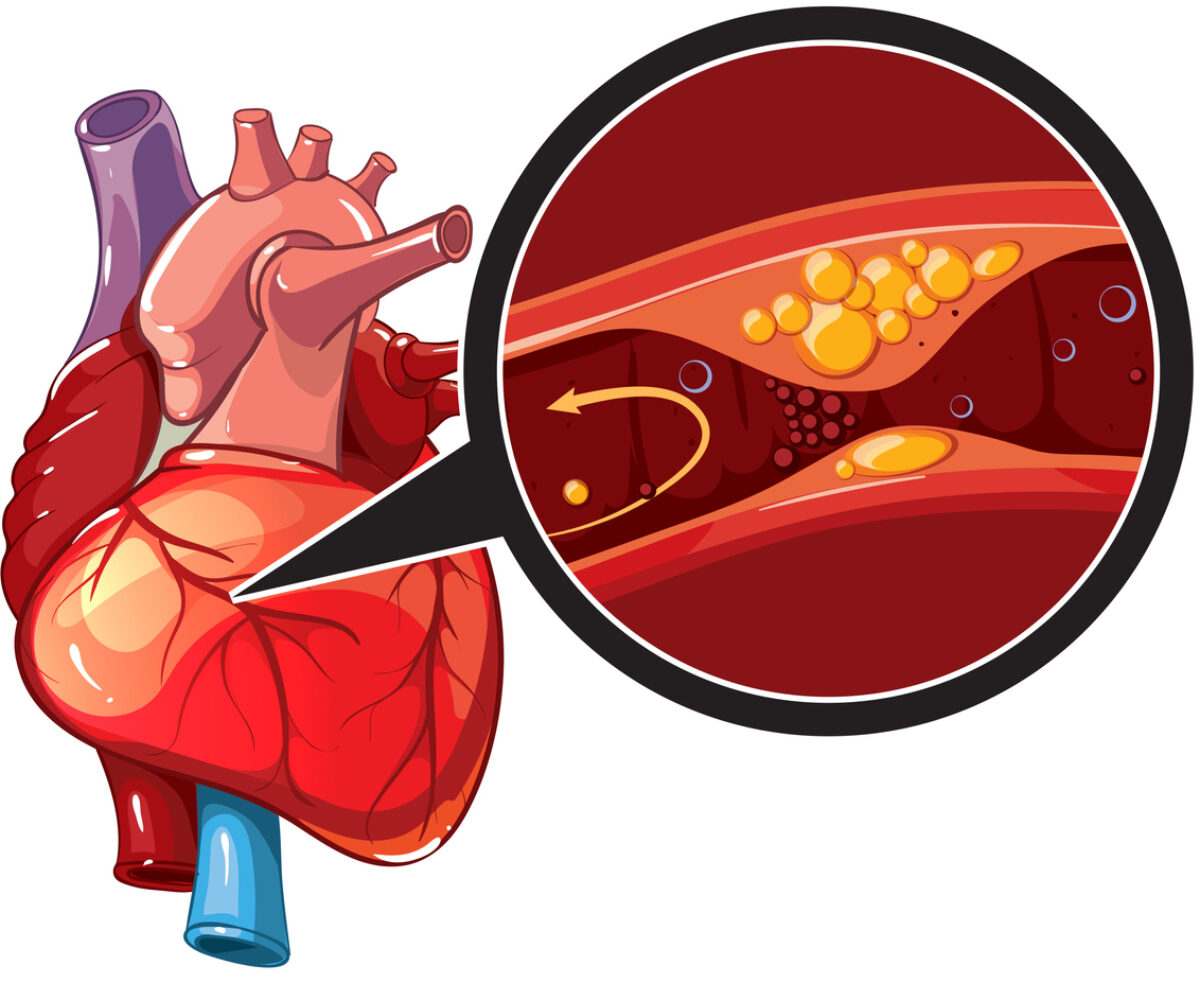
Heart blockage usually develops silently. Symptoms appear only when the blockage reaches 70–90%, which is extremely dangerous.
A yearly heart checkup can identify:
Reduced blood flow
Thickened artery walls
Early blockage formation
This allows timely angioplasty or lifestyle correction before things become critical.
❤️ 2. Helps Identify High Blood Pressure & Diabetes Early annual heart checkup
High BP and diabetes are major risk factors for heart attack.
The problem? Many people don’t even know they have them.
Regular screenings catch these silent killers early, allowing treatment before they damage your heart.
❤️ 3. Reveals Valve Problems Before They Turn Dangerous
Valve diseases like:
Mitral Stenosis
Aortic Regurgitation
Aortic Stenosis
…can go unnoticed for years.
Early diagnosis can prevent:
Breathlessness
Heart failure
Emergency surgery
And with experts like Dr. Avishek Saha, many valve issues can be treated without open-heart surgery (BMV, device-based treatments).
❤️ 4. Helps Prevent Heart Attacks in High-Risk Individuals
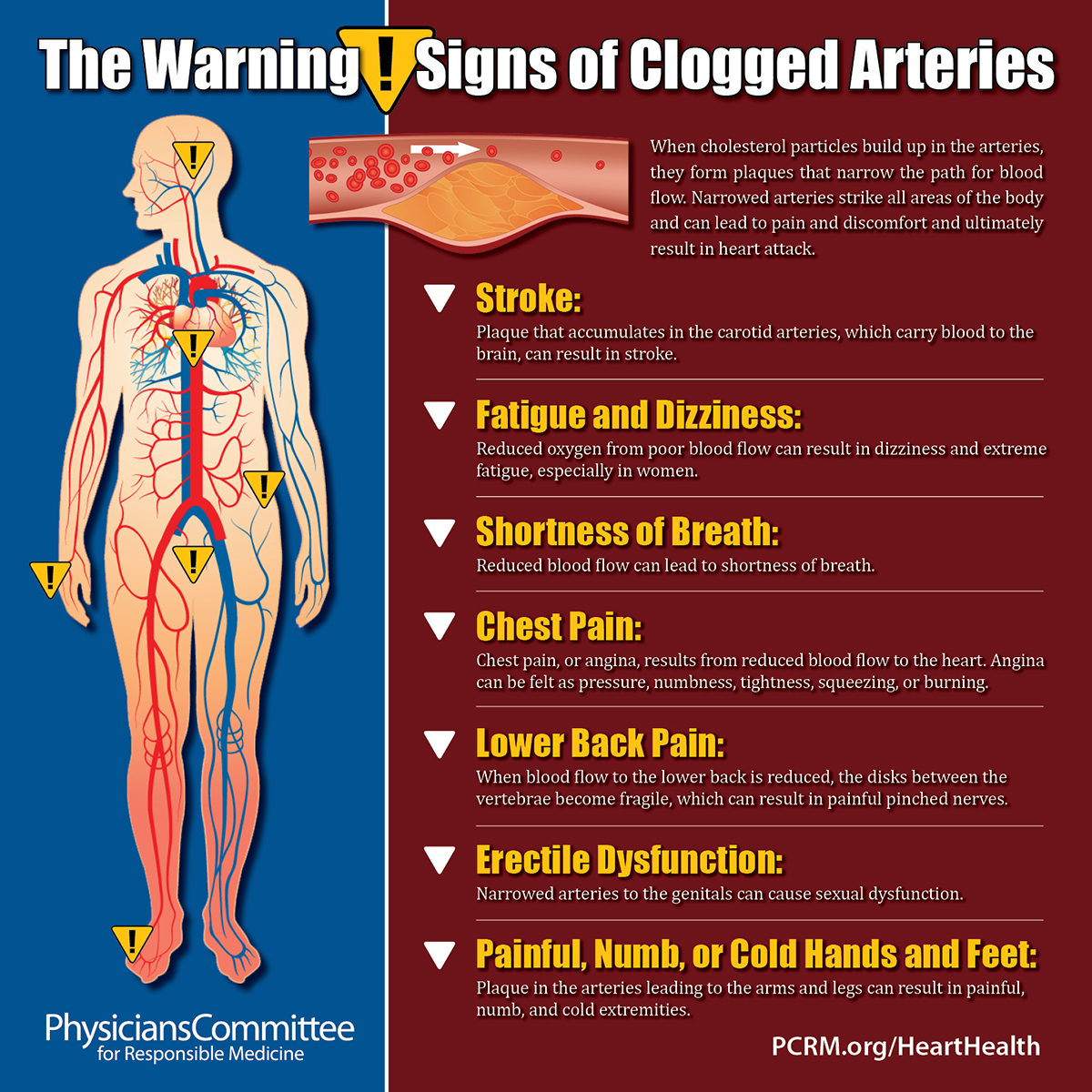
Heart blockage is one of the leading causes of heart attacks in India. heart blockage symptoms Most people do not realize they have a blockage until it becomes dangerous — sometimes 70%, 90%, or even fully blocked.
The good news? Your body gives early warning signs, but many people ignore them, assuming it’s acidity, stress, or tiredness.
This blog explains the 8 early symptoms of heart blockage, the causes, and when to see a cardiologist in Kolkata for immediate testing. heart blockage symptoms
❤️ 1. Chest Pain or Pressure That Feels Like “Weight” heart blockage symptoms
Chest pain due to blockage is NOT always sharp. Often, it feels like:
Tightness
Pressure
Burning
Heaviness
Pain may spread to the:
Left shoulder
Arm
Neck
Jaw
If this happens often, especially during walking, climbing stairs, or stress — it is a red flag.
❤️ 2. Shortness of Breath Even With Mild Activity heart blockage symptoms
If simple activities suddenly become hard, such as:
Walking
Taking stairs
Carrying bags
…it may indicate reduced blood flow due to blocked arteries.
❤️ 3. Fatigue or Unexplained Tiredness
A weak blood supply forces your heart to work harder, making you feel tired even after light activities. If fatigue becomes a daily companion, get your heart checked.
❤️ 4. Chest Burning Misunderstood as Acidity heart blockage symptoms
Many Indians confuse heart blockage pain with acidity. If your “gastric pain” occurs:
After walking
After stress
At night
With sweating
…it may not be acidity — it may be early heart blockage.
❤️ 5. Left Arm, Shoulder, or Jaw Pain heart blockage symptoms
Repeated pain or discomfort radiating to the left side of the body is a classic blockage symptom.
❤️ 6. Irregular Heartbeat or Palpitations
Blockage reduces oxygen supply to the heart muscles, causing:
Fast heartbeat
Skipped beats
Fluttering sensations
If you feel these frequently, consult a cardiologist immediately.
❤️ 7. Dizziness, Fainting, or Feeling Lightheaded
This happens when the heart can’t pump enough blood to the brain — another warning sign that arteries may be narrowing.
❤️ 8. Excessive Sweating Without Physical Activity
Sweating suddenly while resting or during chest discomfort is a common sign of unstable heart blood flow.
Heart attacks are rising rapidly in India — even among people in their 20s and 30s. The surprising truth? More than 80% of heart attacks are preventable with the right daily habits.
This blog gives you doctor-approved lifestyle changes that can strengthen your heart, lower your risk, and help you live longer — especially if you live in big cities like Kolkata where stress, pollution, and busy schedules affect heart health.
Let’s dive in.
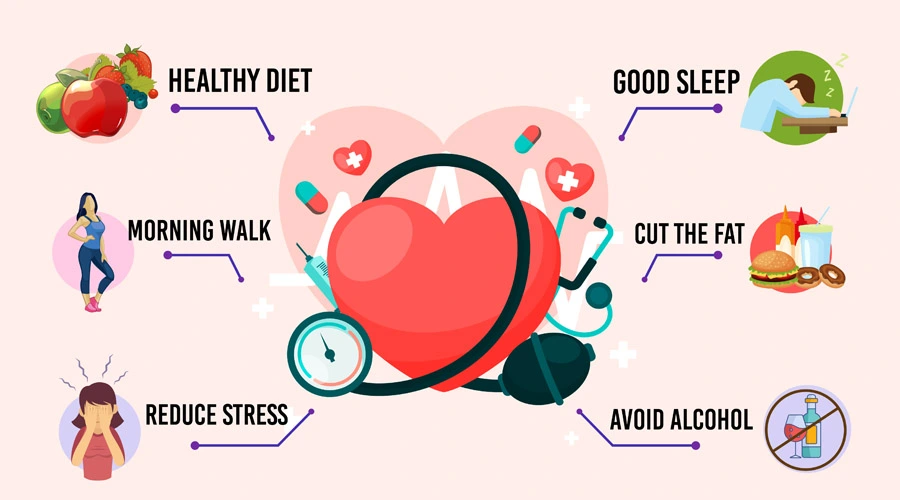
❤️ 1. Start Your Day With a 20-Minute Walk prevent heart attack
Walking boosts your blood circulation, improves heart strength, and reduces cholesterol naturally.
Why it works:
Prevents artery blockage
Burns fat
Reduces stress hormones
Improves blood pressure
Even a simple morning walk in your neighborhood can lower your heart attack risk by 30–40%.
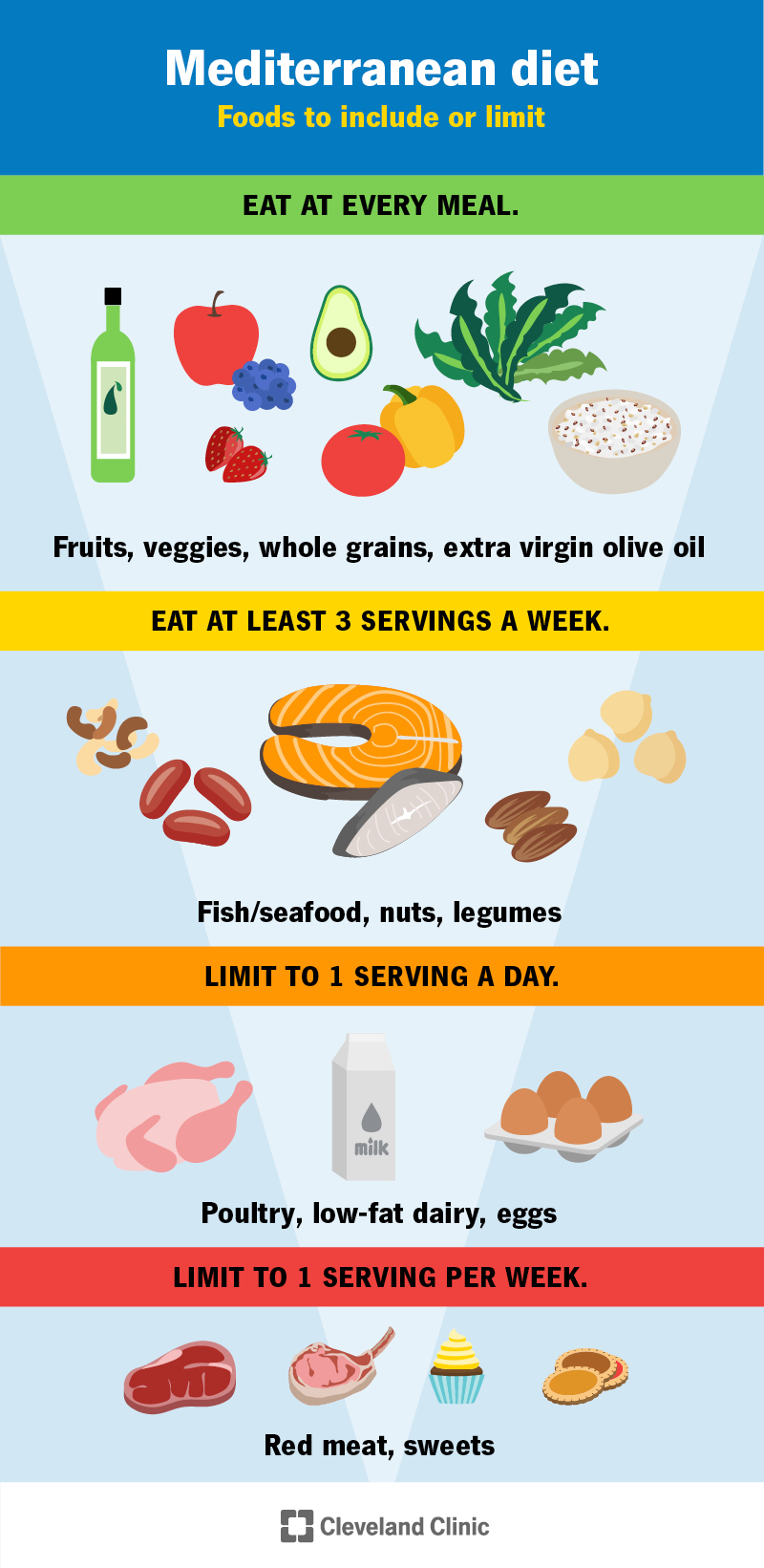
❤️ 2. Switch to a Heart-Safe Diet (Small Tweaks = Big Impact) prevent heart attack
A heart-friendly plate should include:
✔ Fruits & vegetables ✔ Whole grains ✔ Almonds, walnuts ✔ Lean protein (fish, chicken, sprouts) ✔ Olive or mustard oil ✔ Limited sugar and salt
Foods to reduce:
Fried snacks
Processed foods
Red meat
Sugary desserts
Trans fat items (bakery, packaged chips)
❤️ 3. Check Your BP & Sugar Every Month prevent heart attack
High BP and diabetes are the silent killers behind most heart attacks in India.
If you have:
BP above 130/80
Fasting sugar above 100
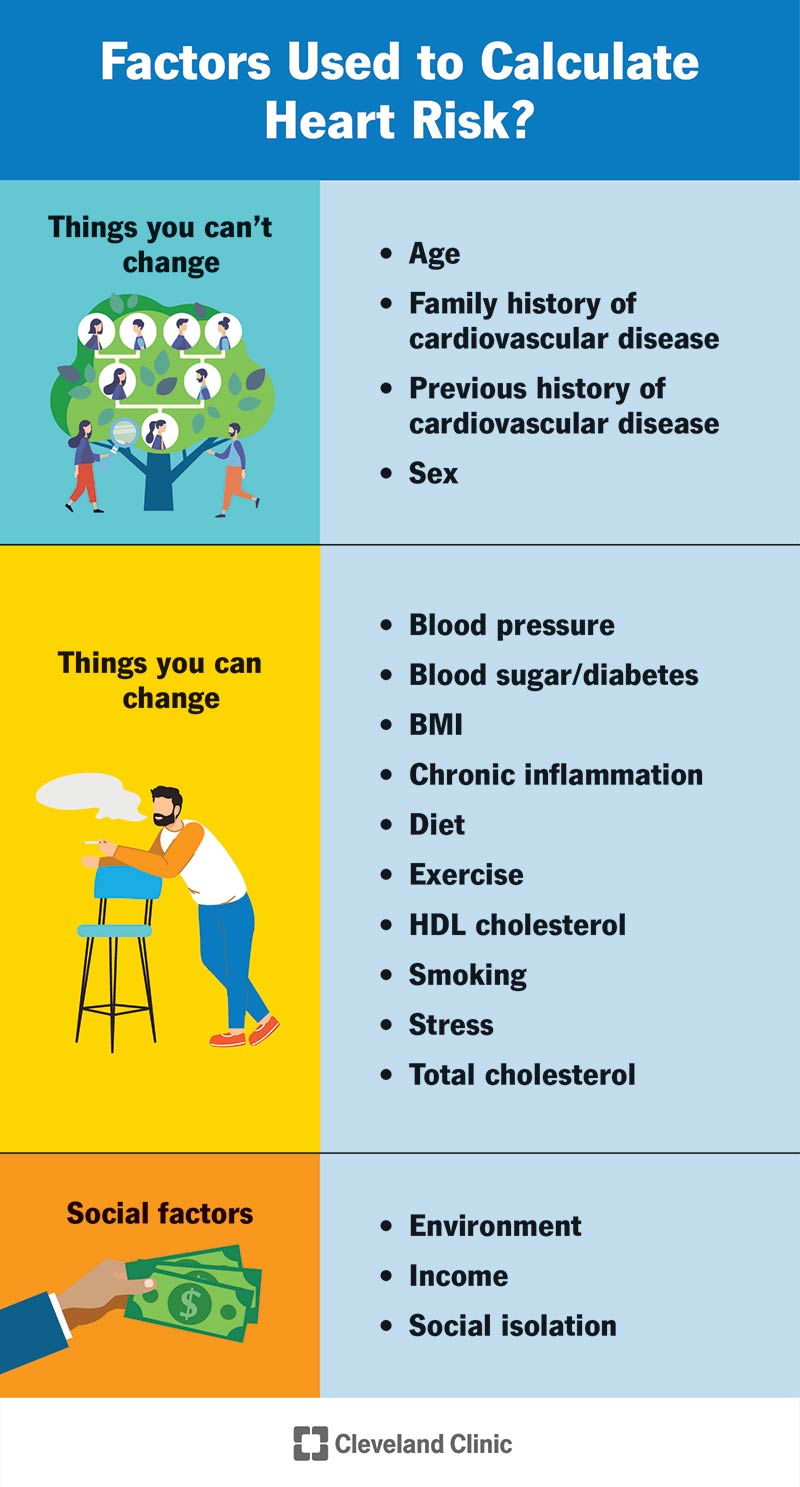
Family history of heart problems
You MUST be extra careful and consult a cardiologist near you for regular monitoring.
Heart disease continues to be one of the leading causes of death in India, and early diagnosis by an expert heart specialist can save lives. When you begin experiencing symptoms like chest pain, palpitations, shortness of breath, or unusual fatigue, searching for the best cardiologist in Kolkata becomes essential.
But with so many specialists available, how do you make the right choice?
This guide brings you everything you need to know — from understanding cardiology treatments to choosing the right expert, and why Dr. Avishek Saha is emerging as one of the most trusted interventional cardiologists in Kolkata.
❤️ What Does a Cardiologist Do?
A cardiologist is a specialist doctor who diagnoses and treats:
Heart attacks
Coronary artery disease
Valve diseases
Rhythm disorders
Congenital heart defects
Heart failure
High blood pressure
When a cardiologist is also trained in procedures like angioplasty, stent placement, device closure, or non-surgical valve interventions, they are known as an interventional cardiologist.
🔍 Top Signs You Should See a Cardiologist Immediately Cardiologist in Kolkata
Chest pain or tightness
Breathlessness while walking or climbing stairs
Irregular heartbeat or palpitations
Swelling in legs
Uncontrolled BP or diabetes
Family history of heart disease
Recovery after an angioplasty or surgery
If you experience these symptoms, search for a “cardiologist near me Kolkata” and book a consultation.
🏥 Why Choose an Interventional Cardiologist in Kolkata? Cardiologist in Kolkata
Interventional cardiologists perform minimally invasive, non-surgical procedures that help diagnose and treat heart problems with less pain and faster recovery.
Popular treatments include:
✔ Angioplasty & Stent Placement
Opens blocked arteries using a balloon and stent.
✔ Balloon Mitral Valvuloplasty (BMV)
A non-surgical alternative to open-heart surgery for mitral stenosis.
✔ Pacemaker / ICD Implantation
✔ Device Closure for ASD, VSD, PDA
Treats structural heart defects without open surgery.
✔ Peripheral Angioplasty
For blocked leg arteries.
Kolkata is now known as a major hub for advanced cardiology treatments with success rates comparable to global standards.
💗 BMV: A Breakthrough Alternative to Open-Heart Surgery
If you or a family member has Mitral Stenosis, you may not always need open-heart surgery. Balloon Mitral Valvotomy (BMV) is a safer, quicker and less painful option.
🔹 Benefits of BMV
No open chest incision
Faster recovery
Same-day or next-day discharge
Lower cost
Highly effective when done by experienced specialists
This is one of the signature expertise areas highlighted on the official cardiology page of 👉 dravisheksaha.com/cardiologist
📍 Finding the Best Cardiologist in Kolkata by Location Cardiologist in Kolkata
Searches like:
“cardiologist in Salt Lake Kolkata”
“cardiologist in South Kolkata”
“heart specialist in Mukundapur”
“interventional cardiologist near me Kolkata”
show that patients prefer specialists closest to their residence.
Kolkata has strong medical zones like Salt Lake, Mukundapur, Alipore, Garia, EM Bypass, and New Town — with leading hospitals and modern cath-labs.
⭐ Why Many Patients Prefer Dr. Avishek Saha Cardiologist in Kolkata
(Optimized for your website)
Dr. Avishek Saha is a leading Interventional & Structural Heart Cardiologist in Kolkata, known for:
Expertise in minimally invasive heart procedures
Trained in advanced structural heart interventions
Excellent patient communication
Emergency and critical cardiac care
Treatments across leading hospitals in the city
His website provides a well-structured guide on: ✔ Cardiologist selection ✔ Heart disease symptoms ✔ Non-surgical treatment options ✔ Location-based cardiology services in Kolkata
Visit: dravisheksaha.com/cardiologist
📈 Cost of Common Cardiology Procedures in Kolkata (Approx.) Cardiologist in Kolkata
(Good for SEO & user engagement)
Angioplasty: ₹65,000 – ₹2,00,000
Stent (DES): ₹28,000 – ₹40,000 per stent
Pacemaker: ₹55,000 – ₹2,50,000
BMV procedure: ₹55,000 – ₹80,000
Device closure (ASD/VSD): ₹1,00,000 – ₹3,00,000
Actual cost depends on hospital, device type, and patient condition.
📝 How to Choose the Best Cardiologist in Kolkata (Checklist) Cardiologist in Kolkata
✔ Check specialization (Interventional vs General) ✔ See hospital affiliations ✔ Compare treatment success rates ✔ Look for emergency availability ✔ Read patient reviews ✔ Consider proximity to your home ✔ Ensure the doctor handles your specific condition (valve disease, blockages, arrhythmia, etc.)
🧠 Top Google-Search FAQs Answered
1. Who is the best cardiologist in Kolkata?
It depends on your condition. For angioplasty, BMV, device closure, and structural heart disease, choose an interventional cardiologist trained in complex procedures.
2. Is angioplasty safe?
Yes, when performed by an experienced specialist in a modern cath-lab.
3. What is the best alternative to open-heart surgery?
Balloon Mitral Valvotomy (BMV), TAVR/TMVR, and device closures are non-surgical alternatives depending on the condition.
4. How soon should I see a cardiologist?
Immediately if you experience chest pain, breathlessness, or palpitations.
📌 Conclusion: Your Heart Deserves Expert Care Cardiologist in Kolkata
Finding the right cardiologist in Kolkata can prevent major emergencies, improve quality of life, and ensure long-term heart health. Interventional experts like Dr. Avishek Saha are transforming cardiac care through modern, minimally invasive treatments.
When it comes to your heart, “good” isn’t enough. You want the best. Every day, thousands of patients search for the “Top 10 heart specialist doctor in Kolkata” or the “Best cardiologist doctor list in Kolkata.” The search results often throw up a confusing mix of big hospital names like Apollo, BM Birla, and Manipal. heart specialist doctor in Kolkata
But here is the truth: The “No. 1” cardiologist isn’t just a rank on a list. It is the doctor who is available when you need them, transparent about costs, and skilled in saving lives.
If you are confused by the endless lists, this guide will help you cut through the noise and find the right heart specialist for you or your parents.
The “Big Hospital” Trap: Apollo vs. Manipal vs. Specialized Clinics heart specialist doctor in Kolkata
Many patients instinctively search for a “Cardiologist in Apollo Kolkata” or “BM Birla” because of the brand name. These hospitals undoubtedly have excellent infrastructure. However, big hospitals often come with:
Long waiting times for appointments.
Rotating doctors (you might not see the same senior consultant every time).
Higher procedure costs.
The Better Alternative: Leading Interventional Cardiologists like Dr. Avishek Saha often practice at top-tier hospitals (like Manipal Hospital, Mukundapur and Woodlands) but also run specialized private clinics.
Benefit: You get the safety of a big hospital’s OT for surgeries (Angioplasty/Pacemaker) but the personalized care and accessibility of a private clinic for consultations.
Who is the No. 1 Cardiologist in Kolkata?
There is no single “No. 1” because cardiology has many sub-specialties. When creating your own best cardiologist doctor list in Kolkata, look for a specialist based on your specific need:
For Angiography & Angioplasty (Interventional): You need a doctor with high volume experience. Dr. Avishek Saha has performed over 1,500 successful angioplasties and specializes in complex radial (wrist) procedures.
For Irregular Heartbeats (Devices): Look for experts in Pacemaker and ICD implantation.
For Structural Defects: Specialists who handle ASD/VSD device closures.
Dr. Saha’s Advantage: He covers all three verticals, making him a “One-Stop” expert for complex cardiac care.
“Cardiologist Kolkata Near Me”: Why Location Matters heart specialist doctor in Kolkata
In a heart attack, time is muscle. If you live in South Kolkata (Alipore, Kalighat, Tollygunge) or East Kolkata (Mukundapur, Salt Lake), traveling 2 hours to a doctor in North Kolkata is risky.
Dr. Avishek Saha has strategically located his clinics to be the “Best Cardiologist Kolkata Near Me” for a vast majority of the city:
Manipal Hospital (Mukundapur): For East Kolkata & Bypass residents.
Woodlands & Alipore: For South Kolkata residents.
IRIS Hospital (Ganguly Bagan): For Garia/Jadavpur residents.
5 Signs You Have Found the “Best” Doctor
Forget the internet rankings for a moment. The best doctor is one who:
Listens: Does not rush you out in 5 minutes.
Explains: Uses simple language, not medical jargon (e.g., explaining why you need a stent vs. bypass).
Transparent:Discusses the cost of stents (Drug-Eluting Stents) and packages openly.
Accessible: Is available for emergencies, not just appointment slots.
Technologically Advanced: Uses modern techniques like Radial Angiography (via wrist) which is less painful and allows quicker discharge.
Conclusion: Trust Experience Over Lists heart specialist doctor in Kolkata
While it is helpful to look at the top 5cardiologist in Kolkata lists, your decision should be based on trust and expertise.
Whether you need a routine check-up, a second opinion on Angioplasty, or urgent care, Dr. Avishek Saha offers the perfect blend of world-class interventional skills and the compassionate “human touch” that patients often miss in large corporate setups.
I. Executive Summary: The Agitation-Relief Conversion Funnel for Mitral Stenosis BMV procedure specialist Kolkata
The following content strategy is meticulously designed to capture high-intent patients diagnosed with Mitral Stenosis (MS) who are currently immobilized by fear of traditional treatment protocols. The standard expectation for severe heart valve intervention is Open-Heart Surgery (OHS), a procedure associated with significant patient anxiety due to its invasive nature and mandated recovery period. The strategic objective is to leverage this anxiety—the Agitation phase—by validating the patient’s worst fears regarding OHS complexity and then providing an immediate, data-backed resolution—the Relief phase—through the introduction of Balloon Mitral Valvuloplasty (BMV). BMV procedure specialist Kolkata
The friction point exploited within this content architecture is the acute trauma associated with the OHS recovery timeline, specifically the 6-8 week recovery period involving limited physical activity, and the invasiveness of the Median Sternotomy (cutting through the breastbone). By confirming the validity of these concerns, the content establishes immediate trust and empathy with the reader.
The rapid strategic pivot to BMV offers quantifiable relief. Data confirms that BMV allows for rapid discharge, often within 24-48 hours, and presents a significantly lower procedural mortality rate. This dramatic contrast establishes BMV not merely as an alternative, but as a clinically advantageous option for eligible candidates. The narrative is engineered to rank aggressively for comparison queries (“Alternatives to open-heart surgery for MS”), positioning Dr. Saha, a specialist in structural heart intervention, as the definitive solution provider for high-quality, minimally disruptive valve care.
The content structure directly mirrors the patient’s internal crisis: recognizing the urgency of the condition (MS progression), confronting the terrifying perceived treatment (OHS), and initiating a search for a better way (alternatives). This emotional congruence ensures that once the post is discovered, the compelling evidence of minimal disruption offered by BMV translates into high lead conversion rates. The ultimate goal is to generate consultations for an eligibility assessment, capitalizing on the patient’s newfound confidence in a specialized, less invasive pathway.
II. Strategic Context and Target Audience Mapping BMV procedure specialist Kolkata
A. Defining the Mitral Stenosis Patient Journey: From Diagnosis Anxiety to Treatment Decision
Mitral Stenosis is a serious, progressive condition requiring timely intervention. While heart valve issues are often generalized as ailments of advanced age, the primary cause of MS globally is Rheumatic Heart Disease (RHD), a condition that frequently affects younger adults. This demographic is critically sensitive to the duration and severity of recovery time, as prolonged physical limitations impact their careers, financial stability, and active lifestyles.
The clinical necessity for intervention accelerates the patient’s search behavior. MS symptoms, such as fatigue and shortness of breath, worsen over time. Critically, untreated MS quickly escalates the risk of severe secondary conditions, including pulmonary hypertension, Atrial Fibrillation (AFib), and Congestive Heart Failure (CHF). The decision to seek treatment is often made under duress, driven by worsening symptoms that signal imminent danger. This urgency means patients are seeking a resolution immediately, but the traditional intervention (OHS) presents a seemingly insurmountable obstacle—a massive life interruption—creating the strategic friction necessary for the content to drive conversion.
B. Targeting MoFu Keywords: Capturing Patients Comparing OHS vs. Non-Surgical Options
The content strategy is intentionally focused on the Middle-of-Funnel (MoFu) and Bottom-of-Funnel (BoFu) stages, targeting searchers who have already received a diagnosis and are actively evaluating treatment methods. These high-intent users employ comparison queries, signaling a readiness to select a provider once a viable alternative to OHS is found.
The content outline is structured explicitly to align with these high-value search terms. Phrases such as “Mitral stenosis surgery vs BMV” and “Alternatives to open-heart surgery for MS” must be prominently featured in headings, subheadings, and introductory paragraphs. Capturing these comparison queries ensures that the post intercepts the patient at the precise moment of decision-making, offering the most compelling data set to resolve their procedural anxiety.
C. The Emotional Pain Point: Deconstructing Patient Fear of Median Sternotomy and Prolonged Recovery BMV procedure specialist Kolkata
The primary psychological obstacle preventing MS patients from moving forward with OHS is not necessarily the risk of the procedure itself, but the associated physical trauma and required recovery. The content must acknowledge and validate the fear surrounding the median sternotomy, which requires physically cutting through the breastbone to access the heart. This invasive component serves as the central psychological anchor for patient anxiety, symbolizing pain, extensive scarring, and physical vulnerability.
Furthermore, the post must emphasize the magnitude of the post-OHS disruption: a mandated 6-8 weeks of limited physical activity. For the RHD patient demographic, which may include younger, career-focused individuals, this mandated rest period translates directly into severe economic stress, loss of professional momentum, and a dependence on caregivers. The content’s strategy is founded on the recognition that the patient’s core fear is the loss of self-sufficiency and economic stability for those two months. By articulating this disruption, the content establishes profound empathy. In turn, BMV’s rapid return to activities is positioned not just as a clinical advantage, but as a critical economic and quality-of-life benefit that outweighs the traditional surgical path. The specialized content is, therefore, selling restored time and freedom alongside superior clinical outcomes.
III. Agitation Section: Facing the Reality of Open-Heart Surgery (OHS) BMV procedure specialist Kolkata
The Agitation Section must clearly, yet respectfully, lay out the facts regarding OHS to create the emotional imperative for seeking an alternative. This section serves to justify the patient’s existing fear, preparing them for the pivot to relief.
A. Anatomy of Invasive Surgery: General Anesthesia and the Need for Bypass Support BMV procedure specialist Kolkata
OHS is a major surgical event demanding a high level of patient preparation and tolerance. It necessitates deep General Anesthesia. For many patients, the associated risks and post-operative side effects of general anesthesia constitute a significant source of anxiety that compounds the fear of the physical procedure itself. The complexity of the operation is fundamentally tied to the necessity of physical access.
The defining characteristic of OHS is the requirement for a sternotomy. This process involves the physical splitting of the sternum (breastbone) to provide surgeons with direct visualization and access to the mitral valve. This severe trauma to the skeletal structure and surrounding tissue is the core differentiator from any percutaneous, minimally invasive procedure, leading directly to the prolonged recovery period.
B. The Cost of Recovery: Quantifying the 6-8 Week Disruption to Life and Work BMV procedure specialist Kolkata
The invasiveness of OHS dictates a long and mandatory recovery schedule. The initial hospital stay is typically lengthy, requiring 5-7 days of in-patient care. This duration acts as a qualitative marker of the sheer severity and trauma inflicted by the procedure.
The most critical data point for the patient is the required recovery outside the hospital: a mandated 6-8 week period of severely limited physical activity. The narrative must focus on the tangible, disruptive implications of this mandate: the patient will be temporarily unable to drive, prohibited from lifting weights exceeding a few pounds (making simple tasks like lifting children or groceries impossible), and often unable to perform demanding work tasks. This required two-month operational delay validates the patient’s fear of lost independence and financial strain, amplifying the urgent need for a faster solution.
C. Mitral Stenosis: Why Waiting for Symptoms to Worsen is Not a Strategy BMV procedure specialist Kolkata
The strategic framing must acknowledge that the pain of OHS recovery is magnified by the knowledge that delaying treatment is dangerous. Patients are often trapped between the urgency of their deteriorating condition and the fear of massive surgery.
Clinical messaging must emphasize that MS is progressive. Delaying treatment due to OHS fear is medically unsound, as it rapidly advances the risk of critical secondary heart conditions like CHF and AFib. Symptoms like fatigue and shortness of breath are clear indicators of this relentless progression. By establishing OHS as the source of a two-month delay, the content underscores the appeal of BMV’s speed and minimal disruption, as it allows the patient to address the dangerous progression of their condition without incurring a significant temporary sacrifice of their quality of life.
IV. The Definitive Pivot: Introducing Balloon Mitral Valvuloplasty (BMV)
The transition to BMV must be executed as the logical, data-driven counterpoint to OHS, focusing on precision, speed, and reduced trauma.
A. A Revolutionary Approach: Percutaneous Access and Minimally Invasive Excellence
Balloon Mitral Valvuloplasty represents a paradigm shift in structural heart care. Unlike OHS, BMV is a percutaneous procedure. This means access to the heart valve is gained through a small puncture, typically in the groin, using a catheter. This approach entirely avoids the necessity of a median sternotomy and the associated trauma to the chest cavity.
This minimally invasive technique also substantially reduces the risk associated with anesthesia. While OHS mandates deep general anesthesia, BMV procedures often utilize only local anesthesia or conscious sedation. This directly addresses a major source of patient anxiety—the fear of being “put under”—further distinguishing BMV as a superior, low-impact option for eligible patients.
B. The Mechanics of Restoration: How the Specialized Balloon Corrects Fused Commissures
To build patient confidence, the content must clearly define the technical efficacy of BMV. The procedure is highly targeted; a specialized balloon catheter is navigated to the mitral valve. The mechanism involves the controlled inflation of this balloon to physically and definitively split the fused mitral valve commissures. This surgical precision, achieved through minimal access, reassures the patient that the low invasiveness does not compromise the anatomical correction required to restore valve function.
The clinical success of this targeted approach is profound. Successful BMV delivers immediate and sustained hemodynamic and symptomatic improvement. The ability of the procedure to yield almost instantaneous functional benefits validates the high-tech, targeted nature of the solution, establishing a stark contrast with the blunt force implied by traditional surgery.
C. Identifying BMV Eligibility: When is Minimally Invasive Intervention Possible?
It is crucial to set accurate expectations regarding candidacy. BMV is highly effective, but its suitability is dependent on specific anatomical factors, such as the flexibility of the valve leaflets and the degree of calcium accumulation. Not all MS patients are candidates for this less invasive method.
This subsection serves as the primary conversion trigger. By emphasizing that determining anatomical suitability requires advanced diagnostic imaging and assessment by an expert Structural Heart Interventionist (such as Dr. Saha), the content clearly defines the necessary next step. The specialized solution is available, but the expert consultation is mandatory for personalized risk stratification and anatomical mapping.
V. Data-Driven Comparison: OHS vs. BMV (The Conversion Engine)
This section provides the objective, quantifiable evidence required to shift the patient’s decision firmly toward the minimally invasive route. Presenting this information in a clear, comparative matrix format maximizes impact and readability.
A. Procedure Comparison Matrix
The following table serves as the central piece of evidence, neutralizing anxiety with concrete data points comparing the two procedures:
Mitral Stenosis Intervention: OHS vs. BMV Comparison
A common patient assumption is that a less invasive procedure carries a higher inherent risk. The data decisively refutes this. The content must directly cite the lower risk profile associated with BMV. Procedural mortality for BMV is highly favorable, typically ranging from 0-1%. This compares significantly well against the mortality rate associated with Mitral Valve Replacement (MVR) via OHS, which is often cited as 2-5%.
This objective safety data neutralizes the patient’s primary fear that choosing the easier recovery path means accepting greater clinical risk. For eligible candidates, the evidence suggests the opposite: BMV offers a safer pathway with minimized physical trauma. This quantitative advantage is essential for securing patient confidence.
C. Analyzing Patient Quality of Life (QoL) Data Post-Intervention
The most persuasive argument for BMV rests on the restoration of quality of life and speed of return to normal function. The mandatory 5-7 day hospital stay following OHS is contrasted sharply with the routine 24-48 hour discharge achievable after BMV. This reduction in hospitalization is a powerful signal of reduced procedural impact.
The most powerful metric is the activity restoration timeline. The ability for patients to return to normal activities often within days post-BMV must be repeatedly juxtaposed against the 6-8 weeks of required physical inactivity imposed by OHS. The patient is calculating the risk-reward ratio, and the data suggests that with BMV, the risk is lower (0-1% mortality) and the reward (restored activity and time) is dramatically faster. This combination creates a scenario that overwhelmingly favors the minimally invasive pathway for appropriate candidates.
VI. Establishing Dr. Saha’s Structural Heart Authority BMV procedure specialist Kolkata
The decision to pursue a less common, specialized intervention like BMV is inherently tied to the perceived competence and specialization of the physician. The content must clearly establish Dr. Saha’s authority to build the necessary trust.
A. Why Expertise Matters: The Complexity of Structural Heart Intervention (SHI)
BMV is not a routine procedure within general cardiology. It is classified as a high-level Structural Heart Intervention (SHI). This distinction is critical because it signifies that the successful execution of BMV demands specific, advanced training far exceeding that of general cardiologists or even general cardiovascular surgeons.
Successful BMV requires immense precision. The procedure necessitates advanced expertise in complex percutaneous vascular access (PVI) and meticulous navigation of the catheter to achieve the optimal splitting of the fused commissures. By detailing these technical requirements, the content transforms the specialist’s expertise from a simple qualification into a guarantee of quality and precision. This reassurance is vital for patients seeking a high-quality outcome from a less invasive method.
B. Case Studies and Technical Proficiency: Highlighting Experience
The narrative must convey that Dr. Saha’s technical mastery is the direct mechanism by which patients achieve the minimal disruption and rapid recovery touted by the comparison data. Proficiency in handling structurally complex cases, particularly those arising from Rheumatic Heart Disease, is essential to building confidence.
Positioning the practice as a leader in delivering immediate and sustained symptomatic improvement through BMV reinforces the value proposition. The specialist’s experience in SHI ensures that the high-tech, targeted correction of the valve commissures is executed with the highest degree of safety and efficacy, transforming the patient’s hope into reasoned confidence.
C. Addressing Patient Concerns: Eligibility Assessment and Risk Stratification
Skepticism surrounding minimally invasive options often centers on whether the patient is truly a suitable candidate. The content must emphasize the professional responsibility of the specialist. Dr. Saha’s team utilizes detailed, advanced diagnostics—including anatomical mapping and imaging—to accurately and ethically assess BMV candidacy.
This approach ensures that the procedure is only recommended when anatomically appropriate and clinically advantageous, solidifying the specialist’s role as a trusted advisor, not merely a technician. The ultimate decision point is the consultation, where the patient’s unique anatomy and clinical situation are evaluated against the specialist’s extensive experience, leading directly to the most appropriate, least disruptive treatment path.
VII. SEO Implementation Strategy and Optimization Tactics
The strategic effectiveness of this content hinges on its ability to dominate the SERP for highly transactional comparison queries, ensuring the patient finds the definitive answer at the moment of peak intent.
A. Target Keyword Cluster Map
The primary focus remains on High-Intent MoFu/BoFu Keywords. The content must prioritize explicit comparison phrases identified in the research, such as “Alternatives to open-heart surgery for MS,” “Mitral stenosis surgery vs BMV,” and “Non-surgical mitral stenosis treatment”. The strategic advantage is gained by intercepting the patient at the moment of decision-making.
Furthermore, Latent Semantic Indexing (LSI) must be achieved through the dense, organic coverage of related clinical terms, including “rheumatic heart disease,” “percutaneous valvuloplasty,” “sternotomy recovery,” and “hemodynamic improvement”. This comprehensive terminology builds authority and improves search engine understanding of the page’s topical depth.
B. On-Page Optimization Checklist
The structuring of the content must be optimized for search engine clarity and user experience. The content should utilize clear H2 and H3 tags that explicitly incorporate the core comparison phrases and critical recovery metrics. Examples include strategic headers like “6-8 Weeks vs. Days: The Recovery Time Difference” and “The Reduced Risk Profile: Comparing 0-1% Mortality to 2-5%.”
Crucially, Section V, which contains the Comparative Matrix, must be meticulously optimized for Google’s featured snippets. This involves ensuring that the recovery timelines (24-48 hours versus 6-8 weeks) and the mortality data points (0-1% versus 2-5%) are presented in easily extractable formats. By providing a definitive, authoritative, and clinically sourced comparison, the page increases its likelihood of ranking prominently for transactional queries, making it the final, reliable source for the patient’s decision. BMV procedure specialist Kolkata
VIII. Conversion Architecture and Next Steps
A. Deployment of High-Value CTAs: Scheduling an Eligibility Consultation BMV procedure specialist Kolkata
The objective of this high-intent content is consultation booking. The Primary Call-to-Action (CTA) language must on the low-commitment, high-value step of assessing candidacy, specifically: “Determine Your Eligibility: Schedule a Consultation with Dr. Saha, Structural Heart Expert.”
CTAs must be strategically placed immediately following the critical decision points, specifically after the eligibility criteria section (IV.C) and at the final conclusion. These placements ensure that once the patient is convinced of the clinical and lifestyle advantages, the conversion mechanism is immediately accessible. BMV procedure specialist Kolkata
B. Lead Nurturing Strategy for BMV Prospects
To capture and nurture potential patients who require more time for research, a secondary, softer CTA should be integrated. A resource download offer, such as “Download Your Checklist: The First 7 Days Post-BMV,” serves two strategic purposes: reinforcing the dramatically rapid recovery timeline and capturing essential email leads for future communication. This lead magnet subtly reinforces the reality that post-BMV recovery is measured in days, not months. BMV procedure specialist Kolkata
C. Conclusion: Trading Fear for Freedom BMV procedure specialist Kolkata
The conclusion must synthesize the entire strategic rationale into an emotionally empowering mandate. Patients suffering from Mitral Stenosis no longer have to reconcile the urgency of their condition with the trauma and prolonged 6-8 week disruption of traditional OHS. Instead, they can achieve immediate symptomatic improvement and rapid recovery, often returning to normal life within days, under the specialized care of a structural heart intervention expert. The concluding message should be decisive: the choice is no longer between sickness and sacrifice, but between an outdated, highly invasive procedure and a specialized, evidence-backed pathway to rapid health restoration. BMV procedure specialist Kolkata
Is All Chest Pain a Heart Problem? How to Know When to See a Cardiologist When to Worry About Chest Pain
Is All Chest Pain a Heart Problem? How to Know When to See a Cardiologist
That sudden tightness, sharpness, or pressure in your chest is one of the most frightening symptoms a person can experience. Your first thought is almost always, “Am I having a heart attack?”
This is a question I hear every day as an interventional cardiologist in Kolkata. The most important thing to know is that while some chest pain is a critical emergency, not all chest pain is a heart problem.
Your chest cavity houses more than just your heart. It also contains your lungs, esophagus, muscles, ribs, and major blood vessels. An issue with any of these can mimic the pain of a heart attack.
The challenge is knowing the difference. This article will help you understand the most urgent warning signs, the common causes of non-cardiac chest pain, and exactly when to see a cardiologist.
The Most Urgent Signs: When to Seek Emergency Help Now
Before we discuss anything else, let’s be clear about the absolute warning signs. If you or someone you are with experiences the following, do not wait. Call for emergency medical help immediately.
Sudden, severe pressure, fullness, or squeezing in the center of your chest that lasts for more than a few minutes.
Pain or discomfort that spreads to the shoulders, neck, arms (especially the left arm), or jaw.
Shortness of breath , which may occur with or before the chest discomfort.
Feeling lightheaded, dizzy, or faint.
Breaking out in a cold sweat.
Sudden, unexplained nausea or vomiting.
These symptoms together are the classic signs of a heart attack (myocardial infarction). Time is muscle, and every second counts.
Understanding Cardiac Chest Pain (When It Is Your Heart) When to Worry About Chest Pain
Heart-related chest pain is typically a sign that your heart muscle isn’t getting enough oxygen-rich blood. This pain can manifest in two main ways:
Angina: This is not a heart attack, but it is a serious warning sign. Angina pain is often predictable. It may feel like pressure or tightness and is usually triggered by physical exertion (like climbing stairs) or emotional stress. It typically goes away after a few minutes of rest.
Heart Attack: This pain is more severe and persistent. It feels like an intense pressure or crushing sensation and does not go away with rest. It is a medical emergency.
As an interventional cardiologist, I specialize in procedures like coronary angiography and angioplasty, which are designed to find and open these very blockages to restore blood flow.
Common Causes of Non-Cardiac Chest Pain
The good news is that most episodes of chest pain are not life-threatening. The pain is real, but it may be coming from one of these common sources:
Gastrointestinal Issues
This is perhaps the most common heart-mimic.
Acid Reflux (GERD): When stomach acid flows back into your esophagus, it can cause a painful, burning sensation in your chest (heartburn) that can feel just like heart pain.
Esophageal Spasms: Sudden, strong muscle contractions in your esophagus can cause significant chest pain.
Musculoskeletal Problems
Your chest wall is made of muscles, bones (ribs), and cartilage. When to Worry About Chest Pain
Costochondritis: This is an inflammation of the cartilage that connects your ribs to your breastbone. It can cause sharp, localized pain that often gets worse when you press on the area or take a deep breath.
Pulled Muscle: Straining a chest muscle from coughing or heavy lifting can cause persistent pain that worsens with movement.
Lung-Related Issues When to Worry About Chest Pain
Pleurisy: An inflammation of the lining around your lungs, causing a sharp, stabbing pain that gets worse when you breathe in or cough.
Pulmonary Embolism: This is a serious condition where a blood clot lodges in your lungs. It causes sudden, sharp chest pain, shortness of breath, and often a cough. This is also a medical emergency.
Anxiety and Panic Attacks
Never underestimate the power of the mind-body connection. A panic attack can feel identical to a heart attack, causing crushing chest pain, a racing heart (palpitations), shortness of breath, and dizziness. When to Worry About Chest Pain
So, When Should You See a Cardiologist for Chest Pain?
If you are not experiencing the emergency symptoms listed at the top, but your chest pain is new, persistent, or worrying you, it is crucial to schedule an appointment with a cardiologist.
You should make an appointment if your chest pain is:
Triggered by exertion and goes away with rest (a classic sign of potential angina).
Worrying you. It is always better to get checked and have peace of mind.
Accompanied by other risk factors, such as high blood pressure, high cholesterol, diabetes , or a family history of heart disease.
How a Cardiologist in Kolkata Diagnoses Your Pain
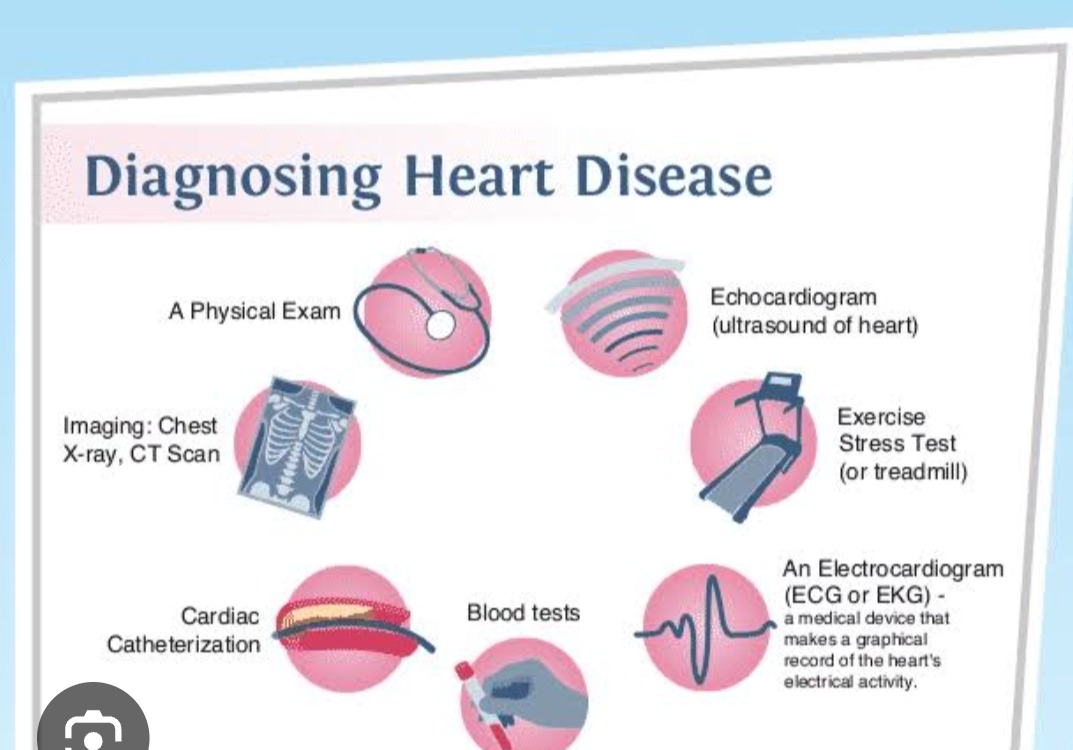
When you visit my clinic, my first job is to listen. We will conduct a thorough evaluation, which may include non-invasive tests like an ECG, Echocardiogram, or a Treadmill (Stress) Test to see how your heart functions under pressure.
Based on these results, we can determine if your pain is cardiac-related and, if so, what the best next step is—whether it’s lifestyle changes, medication, or a diagnostic procedure like a coronary angiography.
Our Philosophy: Don’t Guess With Your Heart Health
As you can see, the “chest pain” puzzle is complex. While many causes are benign, the stakes are too high to self-diagnose or wait.
As one of Kolkata’s trusted interventional cardiologists , my commitment is to provide you with a clear, definitive answer. We combine expert diagnosis with a compassionate, patient-first approach to ensure you get the care you deserve.
If you are in the Kolkata area and experiencing chest pain, don’t leave it to chance. Contact our clinic today to schedule a comprehensive evaluation.
In today’s fast-paced world, maintaining good health often takes a backseat. Many people visit doctors only when symptoms become severe — but by then, prevention opportunities are often lost. A preventive health check-up is one of the most powerful tools to detect potential health risks early, manage chronic conditions effectively, and ensure long-term wellness.
At Dr. Avishek Saha’s Clinic, we believe that prevention is better than cure. Our expert team provides comprehensive preventive check-ups designed to give you a clear understanding of your health status and guide you toward a healthier future.
What Is a Preventive Health Check-Up?
A preventive health check-up is a detailed medical assessment that evaluates your overall health before problems arise. It includes physical examinations, diagnostic tests, and screenings that help detect hidden diseases like diabetes, hypertension, heart conditions, or thyroid issues — even before symptoms appear.
With modern diagnostic tools and personalized care, preventive check-ups can save lives by enabling early diagnosis and timely treatment.
Why Preventive Health Check-Ups Are Important
🩺 Early Detection of Diseases: Identifies potential health risks before they become serious.
💰 Cost-Effective Care: Preventing a disease is always more affordable than treating one.
💪 Improved Quality of Life: Early management leads to healthier and longer living.
🧠 Peace of Mind: Knowing your health status reduces stress and anxiety.
Whether you’re in your 20s or 60s, a preventive check-up is essential for everyone.
Our Preventive Health Check-Up Services
At Dr. Avishek Saha’s Clinic, we offer a range of preventive healthcare packages that include:
Comprehensive Health Screening
Blood Pressure and Diabetes Monitoring
Heart and Cholesterol Tests
Thyroid and Hormonal Assessments
Lifestyle and Nutritional Counselling
Each check-up is designed to suit your age, medical history, and lifestyle needs.
Who Should Get a Preventive Check-Up?
Preventive health check-ups are recommended for:
Adults above 30 years of age
Individuals with a family history of chronic illnesses
People leading sedentary lifestyles or under constant stress
Smokers and those with irregular dietary habits
Even if you feel perfectly healthy, regular check-ups help you stay one step ahead of potential risks.
Take Charge of Your Health Today
Investing in your health today can prevent complications tomorrow. Schedule your Preventive Health Check-Up with Dr. Avishek Saha and take the first step toward a healthier, happier future.
Are you looking for a trusted heart specialist in Kolkata? Finding the right cardiologist is a critical decision for your health and peace of mind. We are proud to introduce Dr. Avishek Saha, widely recognized as one of the best cardiologists in Kolkata, dedicated to providing comprehensive and compassionate heart care. top cardiologists in Kolkata
Why Choose Dr. Avishek Saha for Your Heart Health? top cardiologists in Kolkata
When it comes to your heart, expertise matters. Dr. Saha’s practice is centered around patient-first care, combining deep medical knowledge with a holistic approach to wellness. Whether you need a routine checkup or are dealing with a complex heart condition, you can trust Dr. Saha and his team.
We understand that accessibility and quality of service are paramount. Here are the core services offered:
Comprehensive General Checkup: Prevention is key! Regular checkups help in the early detection and management of potential heart issues.
Professional Doctor Consultation: Get expert diagnosis and personalized treatment plans for various cardiac and general medical conditions.
Emergency Service: Critical situations demand immediate and expert attention. Our clinic provides reliable Emergency Service when you need it most.
Vaccination Services: Beyond cardiology, we prioritize your overall health, offering essential vaccination services to keep you protected.
Focus on Prevention and Accessibility top cardiologists in Kolkata
The best way to treat heart disease is to prevent it. Dr. Saha is a firm believer in empowering patients through education and proactive care, ensuring you have the tools to maintain a healthy lifestyle.
Looking for a “Cardiology clinic near me” in Kolkata?
Dr. Saha’s clinic is conveniently located and committed to making high-quality heart care accessible to everyone in and around the Kolkata region.
Ready to Prioritize Your Heart Health?
Don’t delay your well-being. Take the first step toward a healthier heart today by booking an appointment with one of thetop cardiologists in Kolkata.